Home Energy & Crawl Space Blog
Practical building science advice for Triangle NC homeowners.
More Articles
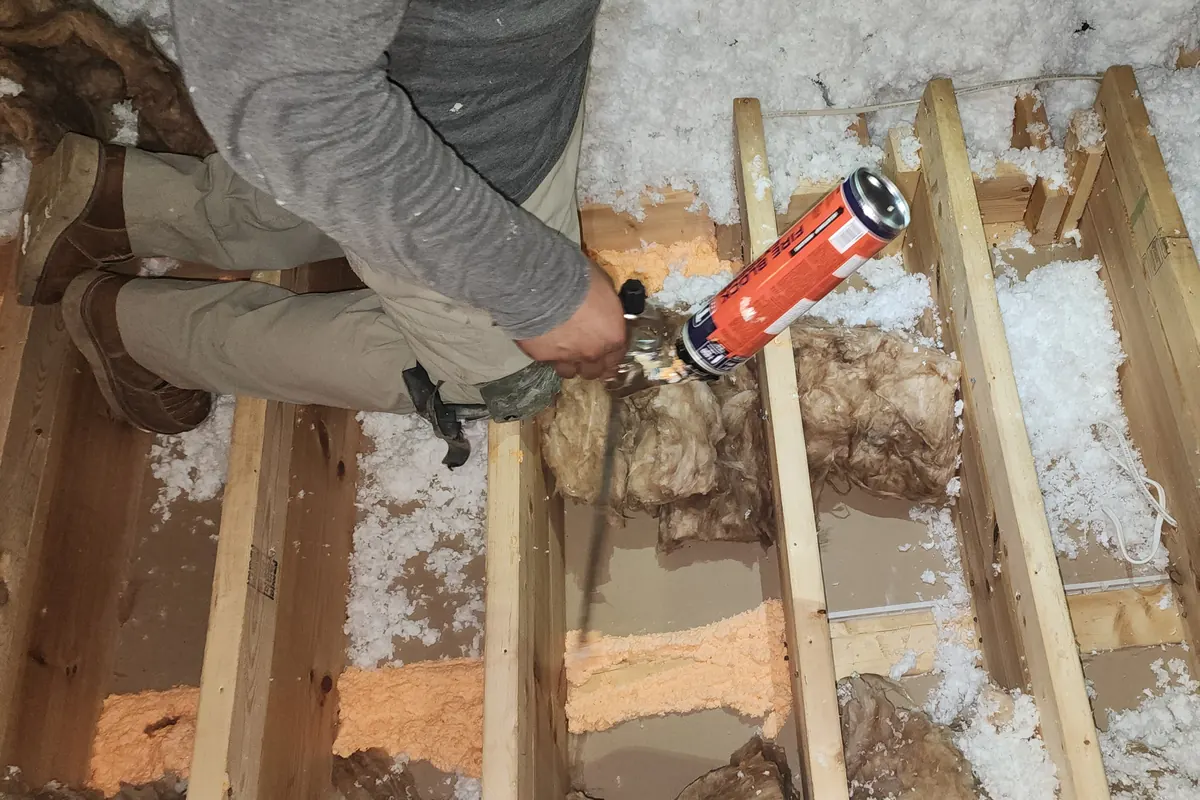
Air Sealing a House in NC: What It Fixes
Air sealing closes the leaks that make a Triangle home drafty and expensive to heat. What it is, what it fixes, how a blower door finds the leaks, and cost.
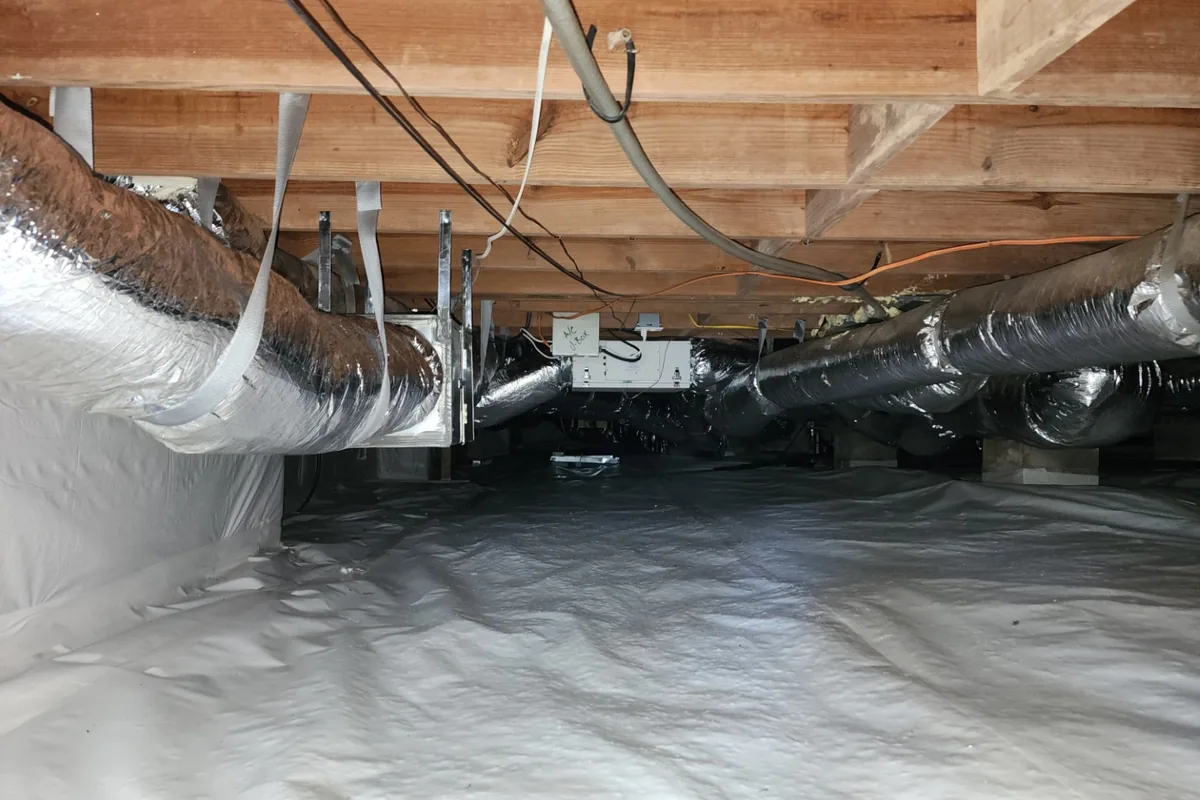
Crawl Space Air Quality in Triangle Homes
A vented crawl space is often the biggest source of poor indoor air quality in a Triangle home. Here's what it carries upstairs and how to stop it.
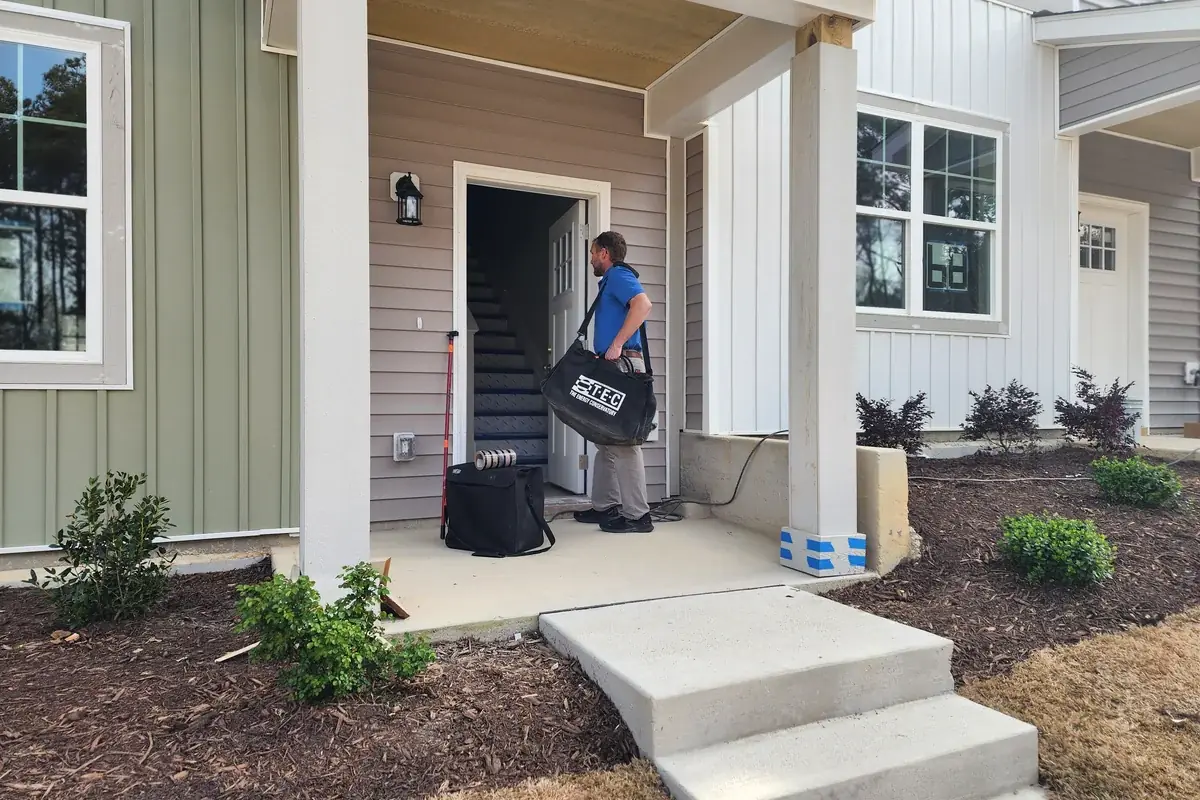
What Is a Duct Blaster Test in NC?
A duct blaster test measures how much conditioned air a duct system loses, not whole-house leakage. It explains who needs one in NC and what it costs.
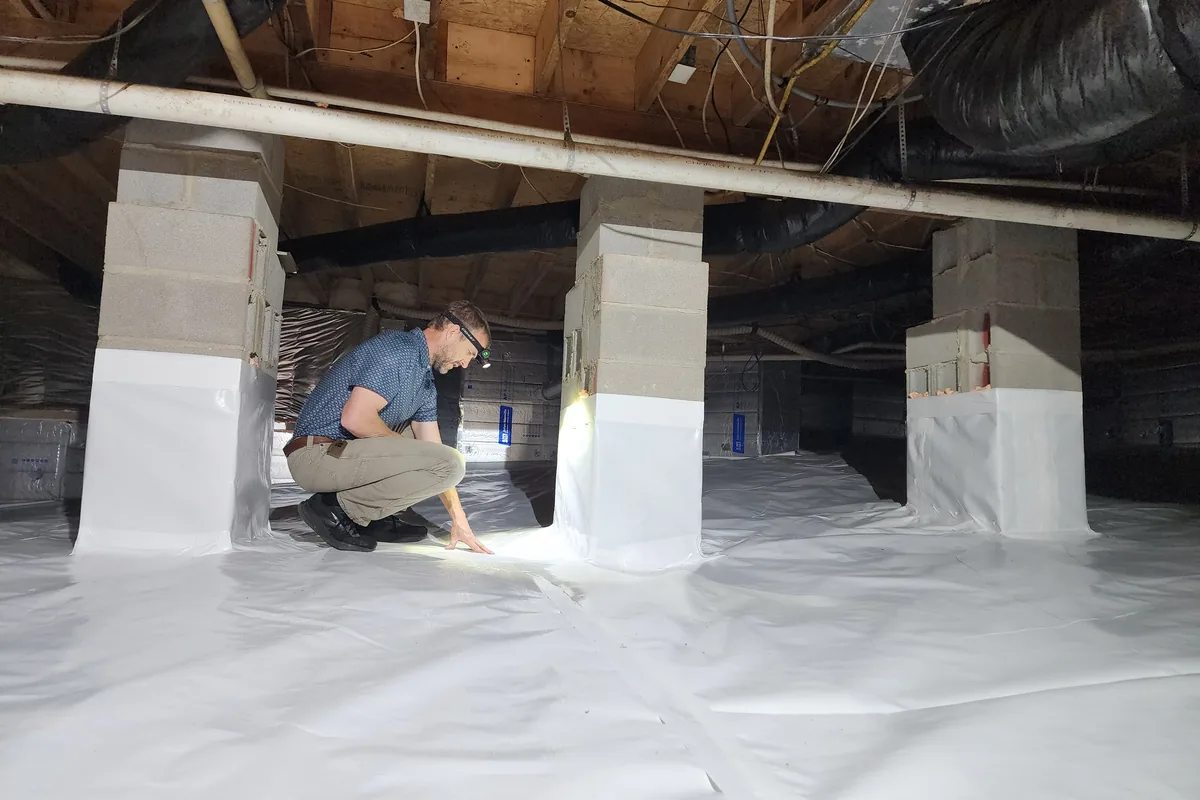
Crawl Space Maintenance in NC: What to Check
Crawl space maintenance in NC comes down to seasonal checks of humidity, the vapor barrier, and the dehumidifier. What to look at before heating season.
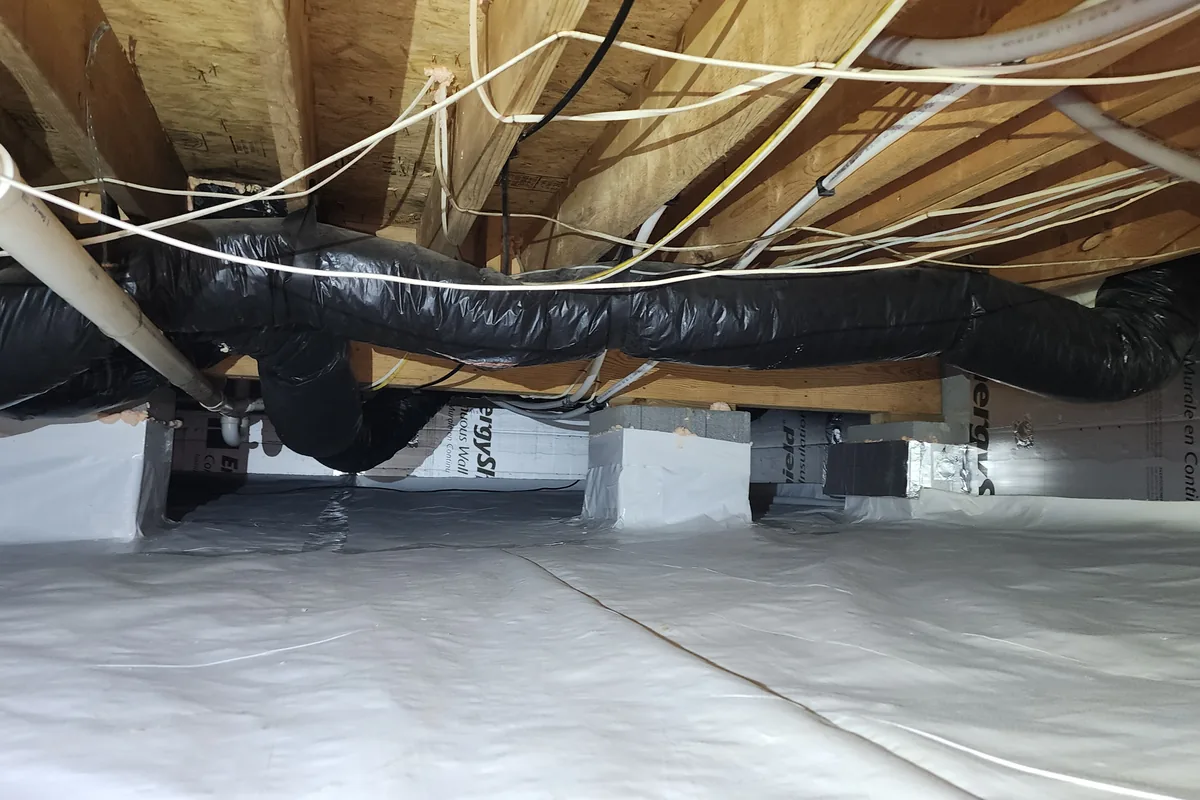
Does Crawl Space Encapsulation Work in NC?
Encapsulation solves crawl space humidity in the Triangle when it is built and maintained correctly. Here is what holds up, what does not, and why.
Uneven Cooling in Your House: NC Causes
Uneven cooling in a house is an air problem, not an AC problem. Here is how the pattern of hot and cold rooms points to the cause in Triangle NC homes.
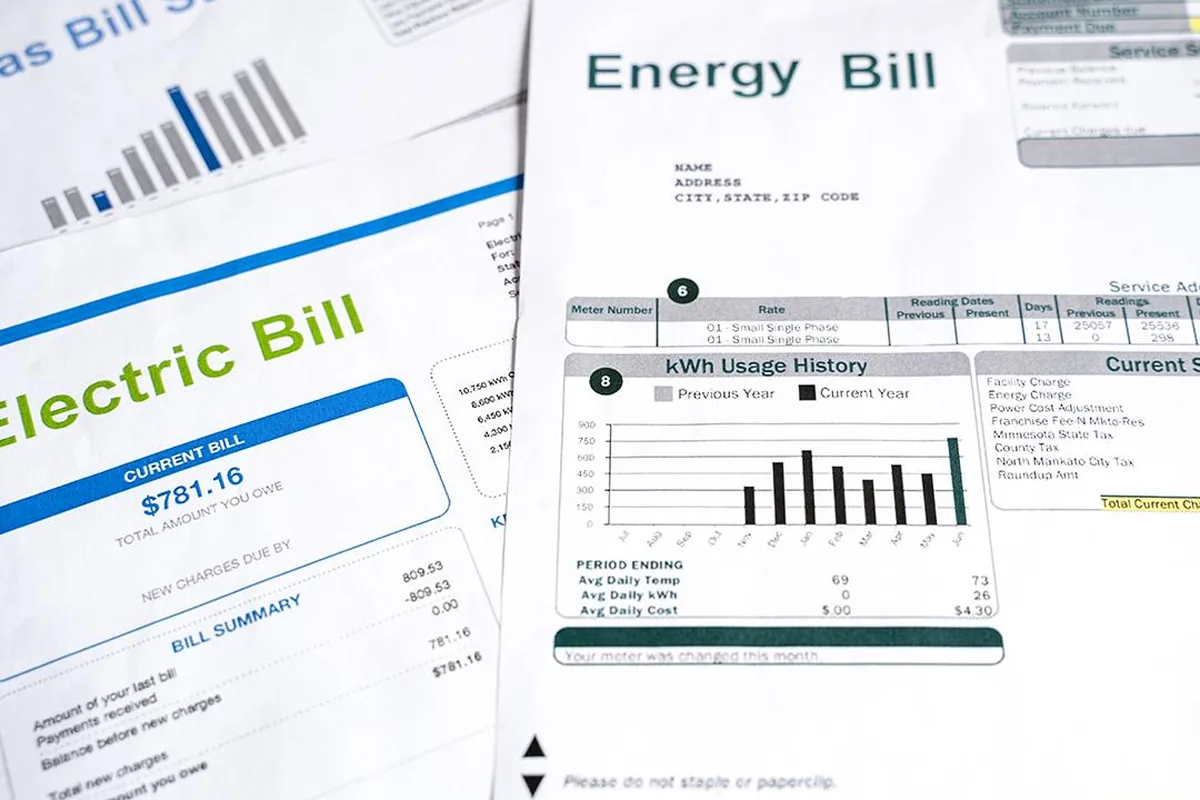
Why Your Summer Electric Bill Spiked in NC
Your AC hasn't changed but your July or August bill has. Here's what a Peak Energy home energy audit in Wake County typically finds behind a summer spike.
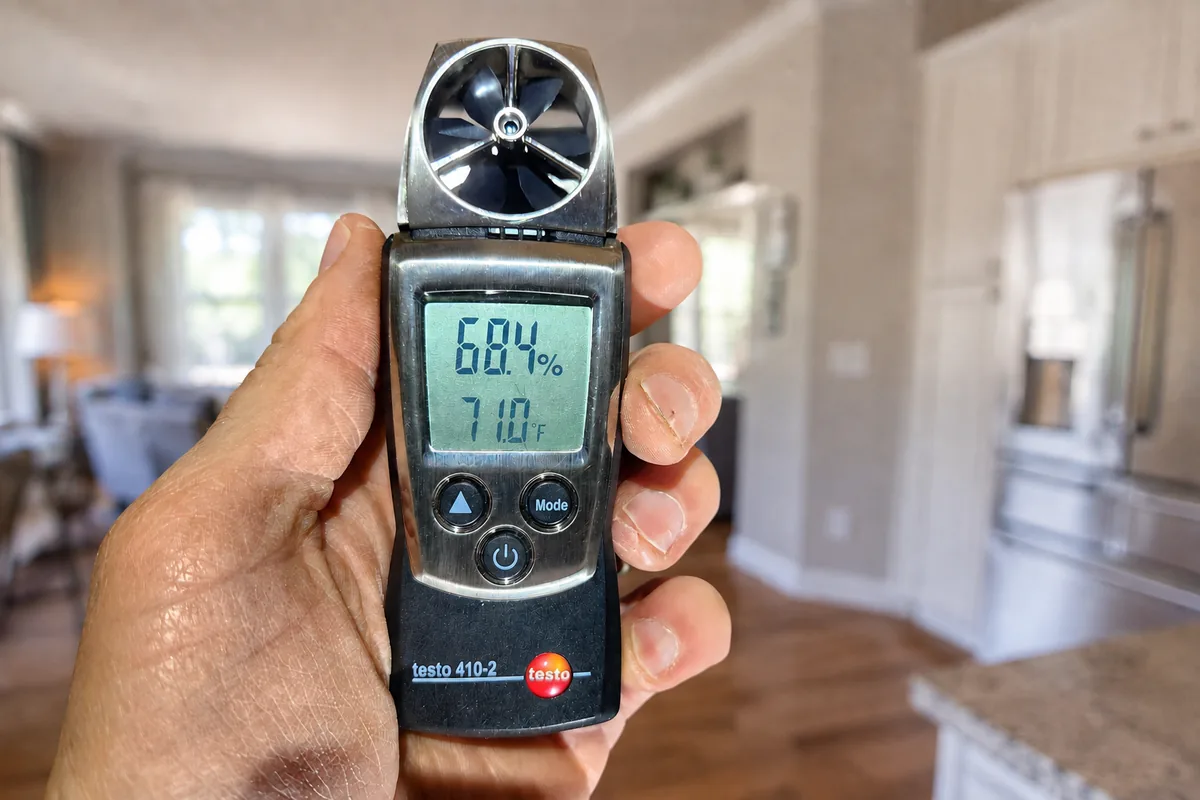
How to Lower Indoor Humidity: What Works in the Triangle
Generic humidity tips miss the Triangle climate. Here is what actually helps lower indoor humidity in a Wake County, NC home, crawl space included.
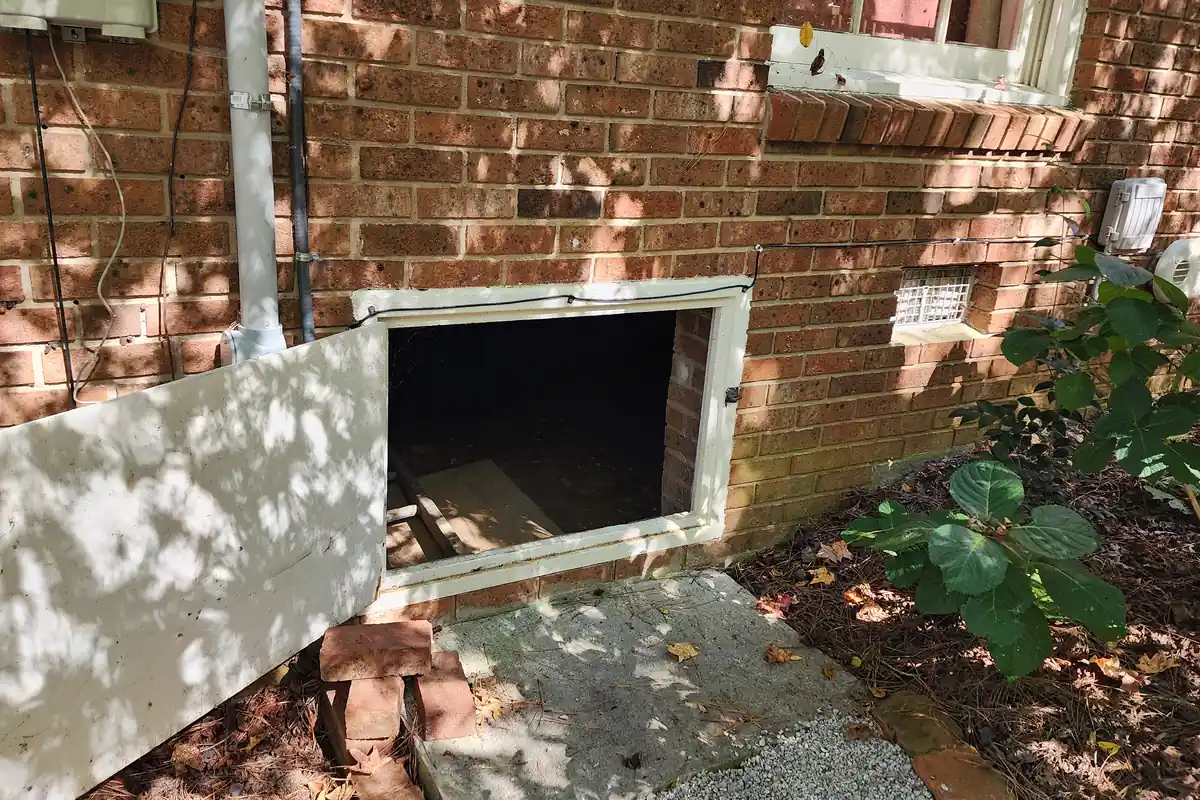
Ideal Crawl Space Humidity Level for NC Homes
The target crawl space humidity level is 45–55% relative humidity. Here's how to measure yours and what to do if a vented Triangle crawl space runs higher.
Musty Smell in the House: What It Means in NC
A musty smell in your house usually means humid crawl space air is moving upward through the home. Here's what causes it and how NC homeowners stop it for good.
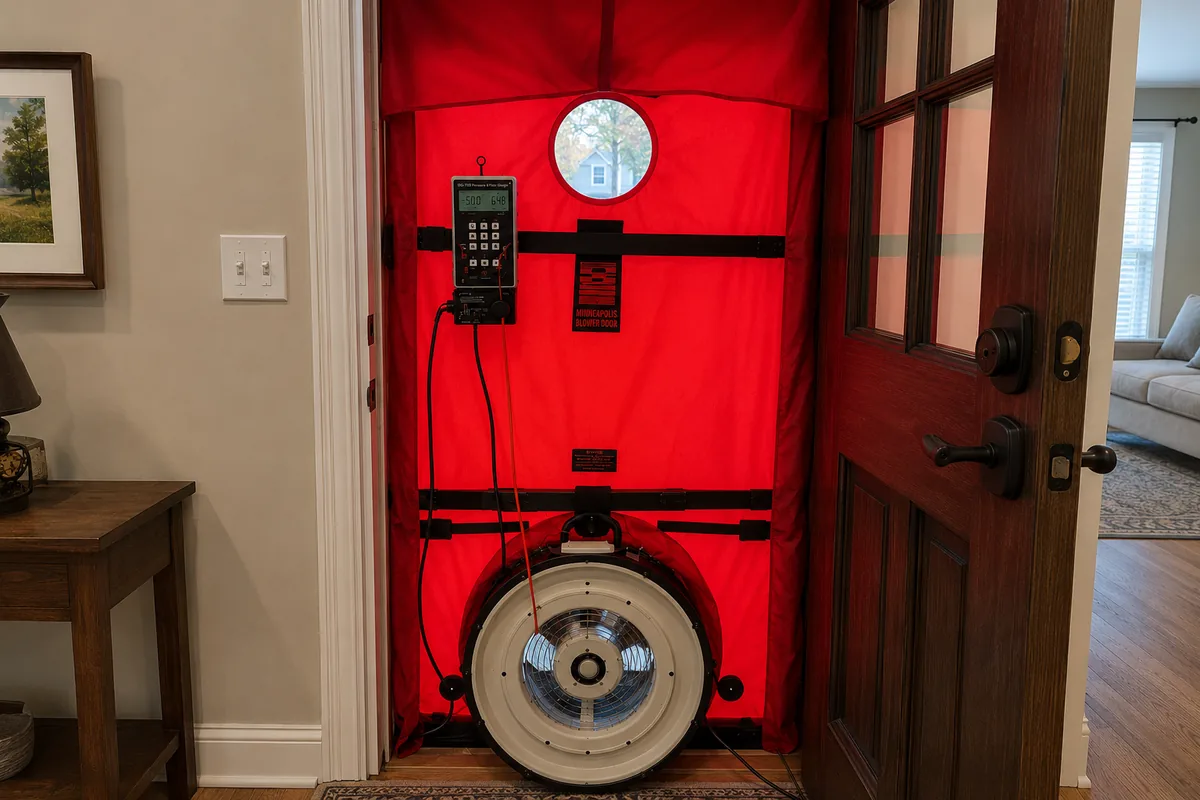
Blower Door Test Results Explained: What ACH50 Means in NC
Your blower door test result is an ACH50 number. Here is what it means, what NC code requires for new construction, and what to do if your home does not pass.
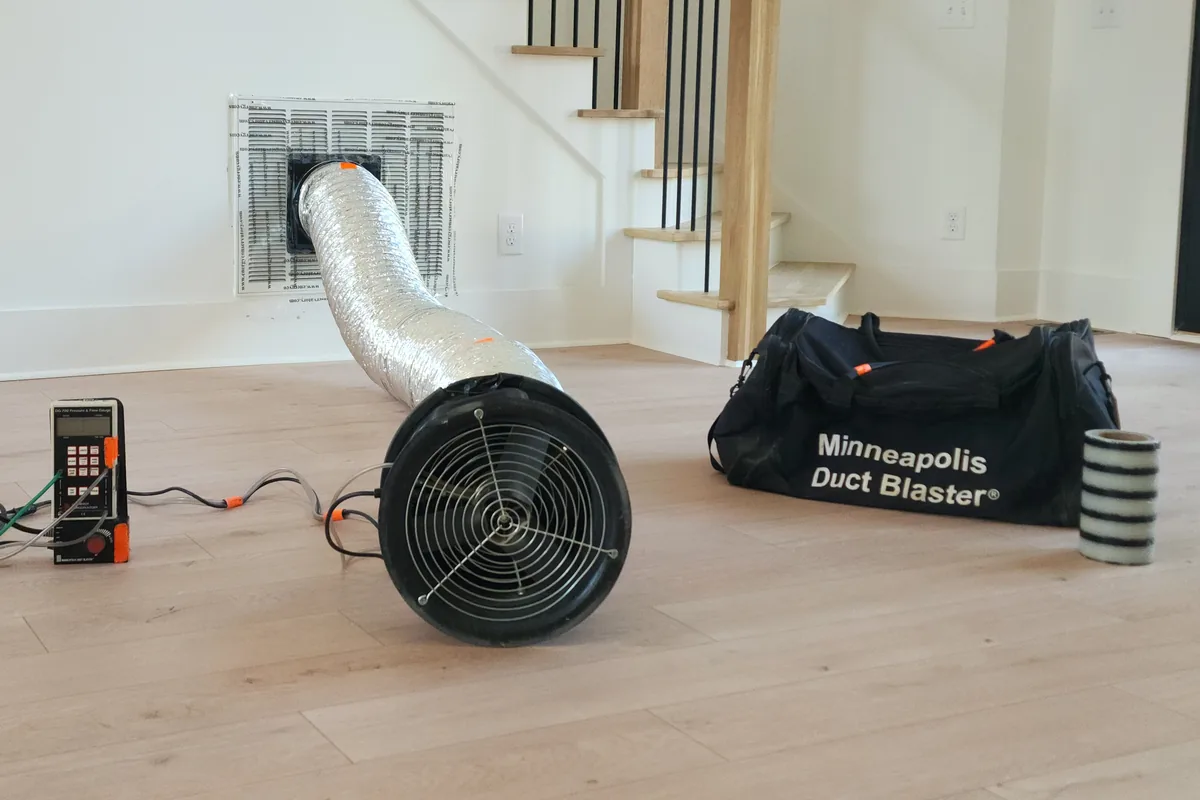
Duct Leakage Test Results Explained: What CFM25 Means in NC
Your duct leakage test result is a CFM25 number. Here is what it means, what NC code requires, and what a failing result means for your ductwork.
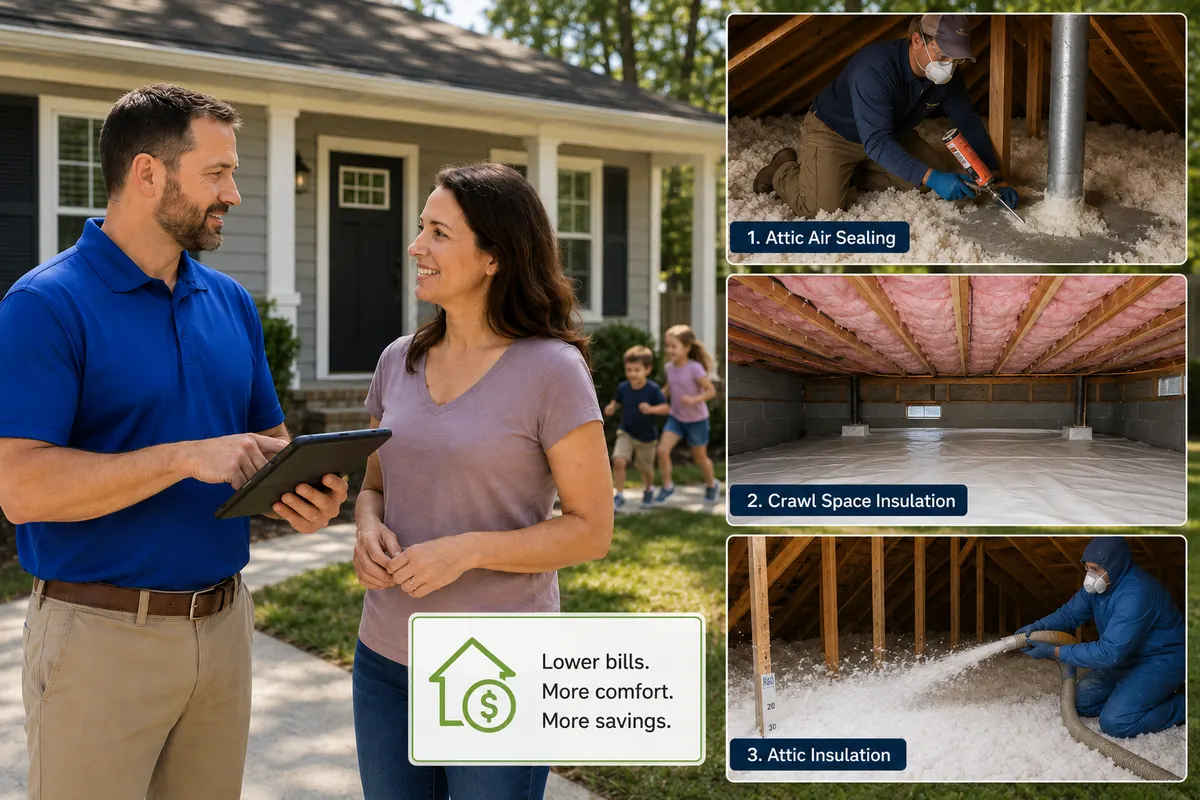
Home Energy Audit Cost in NC: What to Budget
A home energy audit in the Triangle costs an estimated $475–$650+. See what that price includes, what drives it up or down, and whether it is worth paying for.
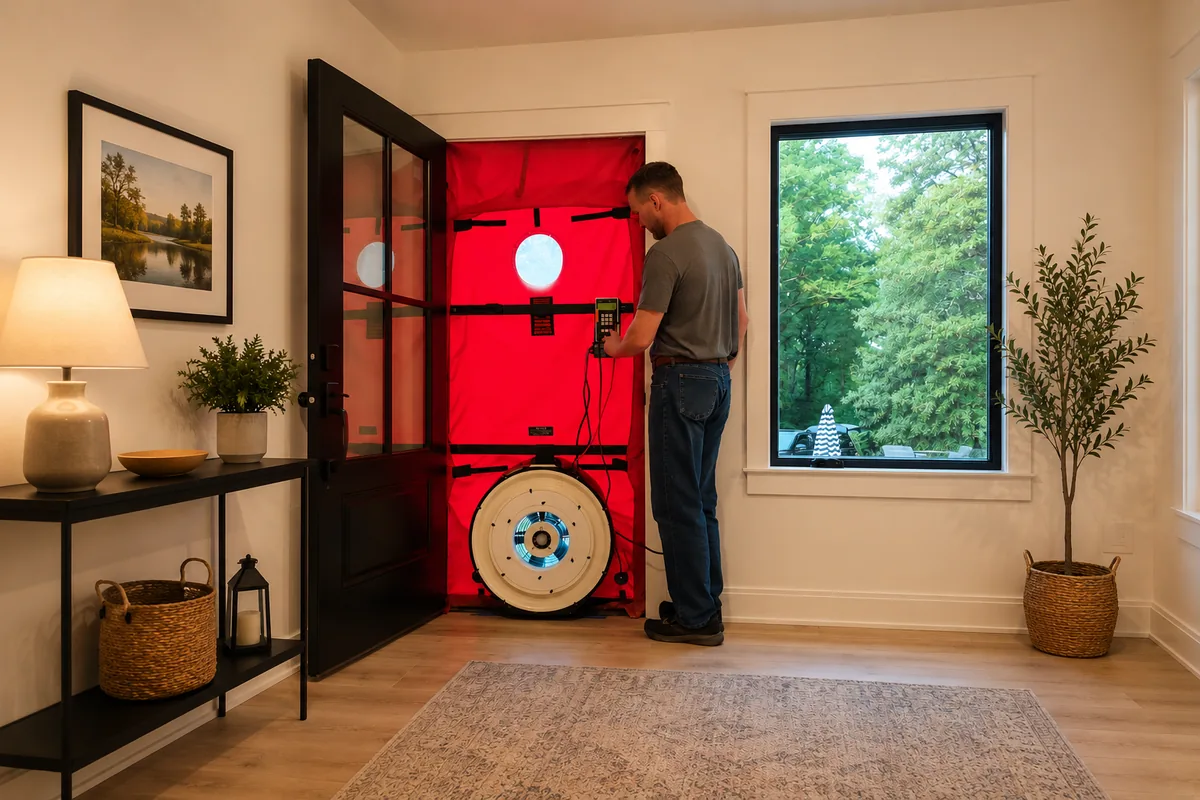
What a Home Energy Audit Finds in an NC Home
Home energy audits in NC most commonly find air leakage, thin attic insulation, duct losses, and crawl space moisture. Here is what the audit data shows.
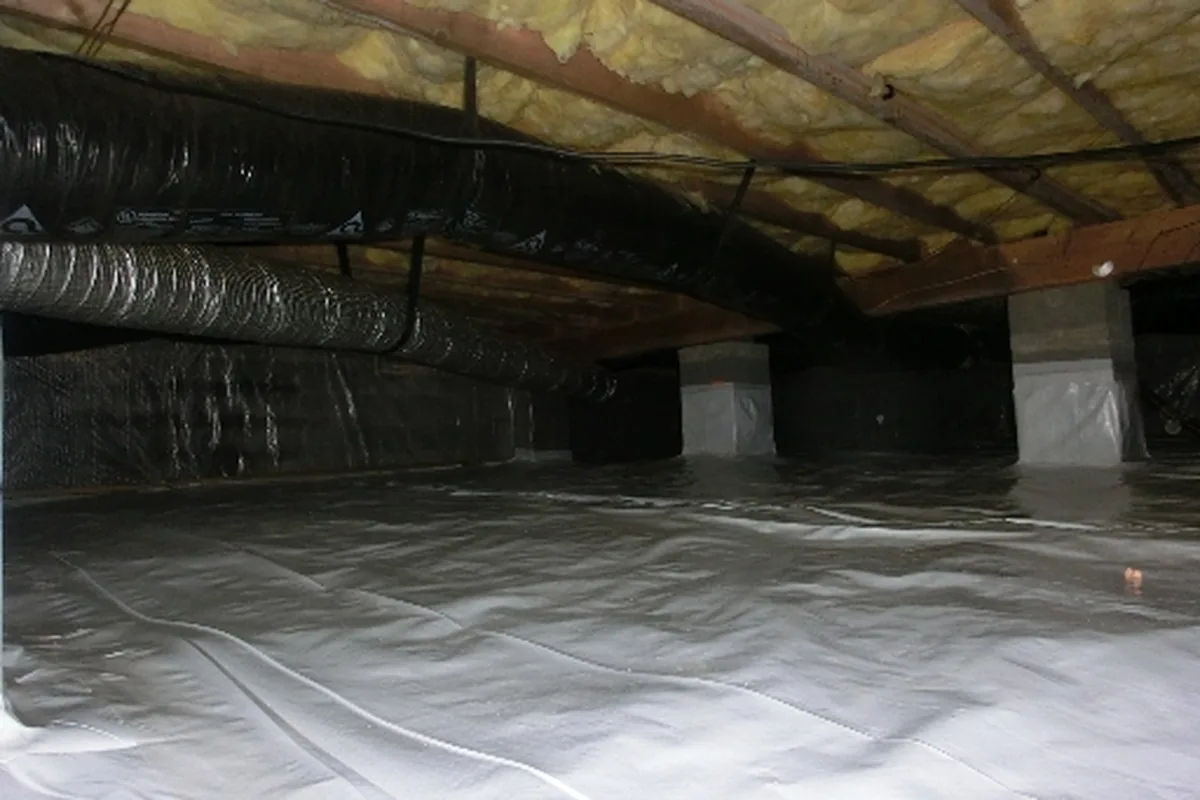
Crawl Space Vapor Barrier in NC: Cost, Options, and Limits
A crawl space vapor barrier blocks ground moisture from rising into your NC home. Here's what it costs, what thickness to use, and when you need more.
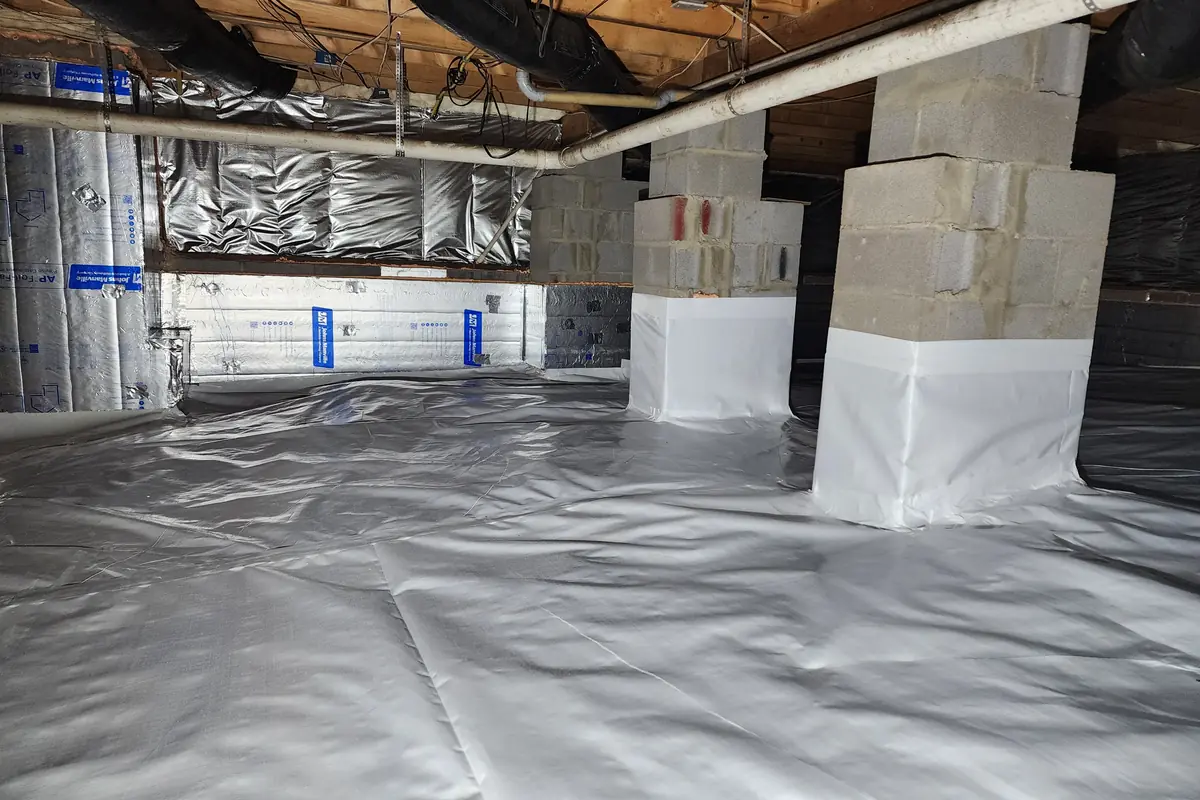
What Happens During a Crawl Space Encapsulation Job in NC
What actually happens during a crawl space encapsulation in the Triangle? Step-by-step process, what good installation looks like, and what to expect.
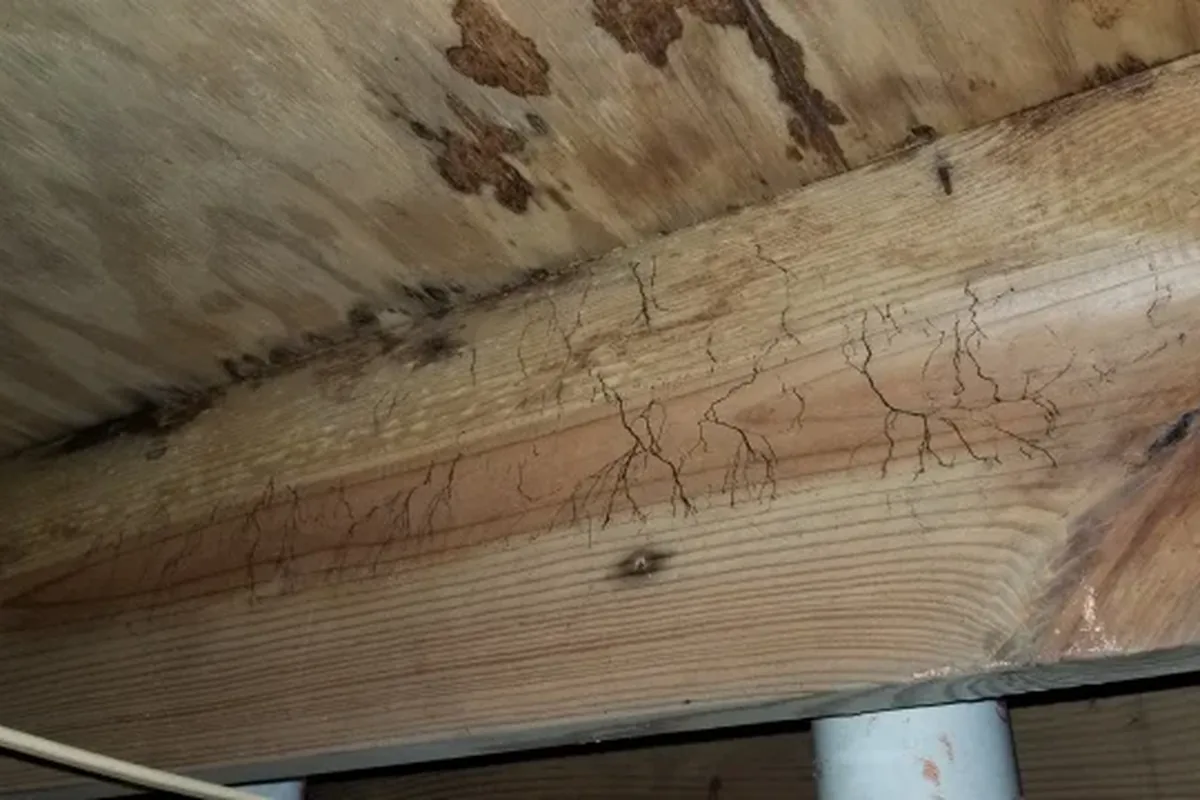
Crawl Space Mold in NC: When to Remediate and What Comes Next
NC crawl space mold peaks in summer humidity. Learn when to call a pro, what remediation costs in the Triangle, and why encapsulation is part of the fix.
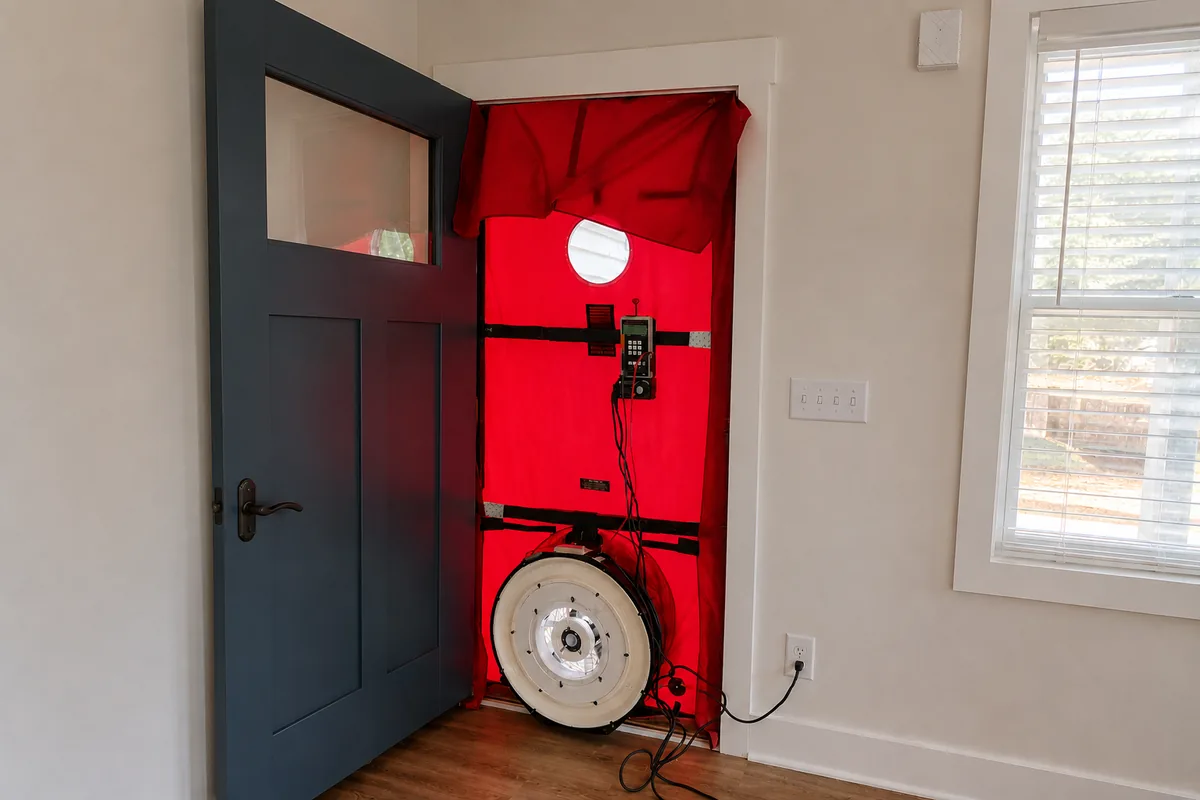
Blower Door Test vs Home Energy Audit in NC: Which to Choose
A blower door test and a home energy audit use the same fan but serve different jobs. How to choose in NC, what each costs, and what you take home.
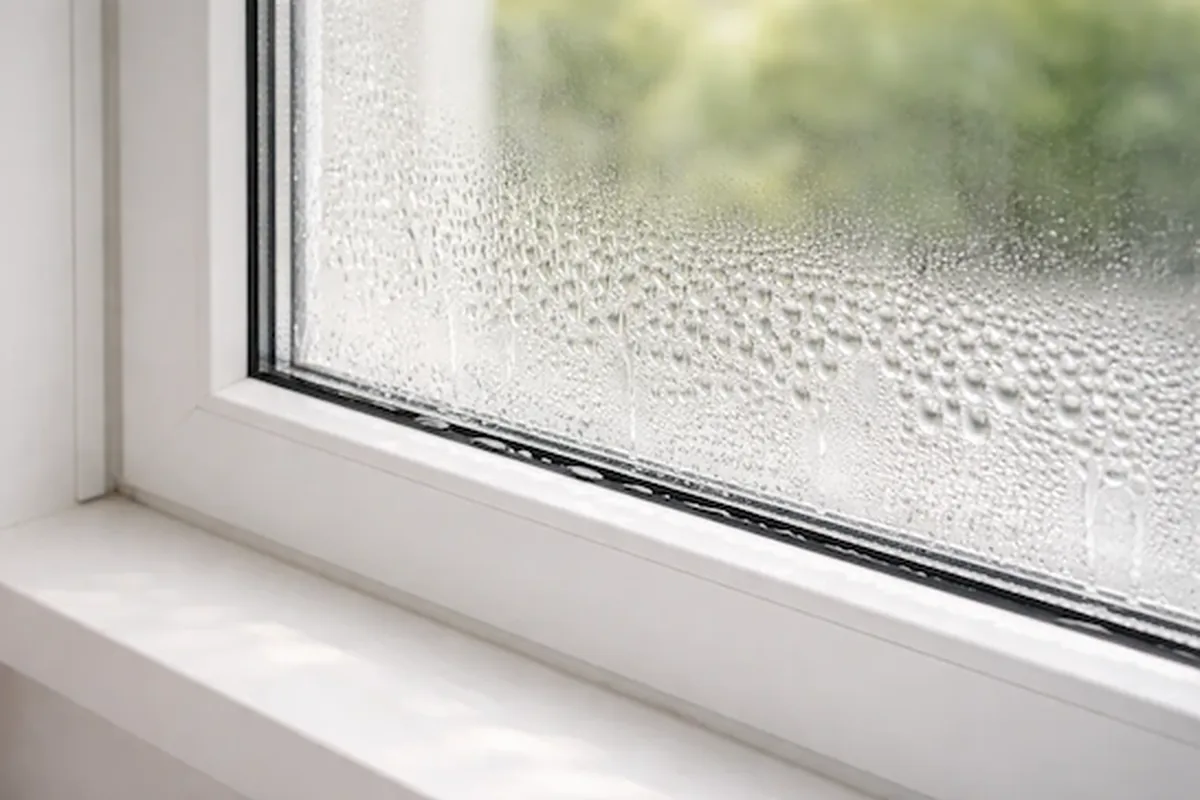
Why Your AC Runs Constantly in NC: It's Probably Humidity
If your AC runs constantly in a Triangle summer, the cause is usually humidity, not a broken system. Here's how to tell the difference and what fixes it.
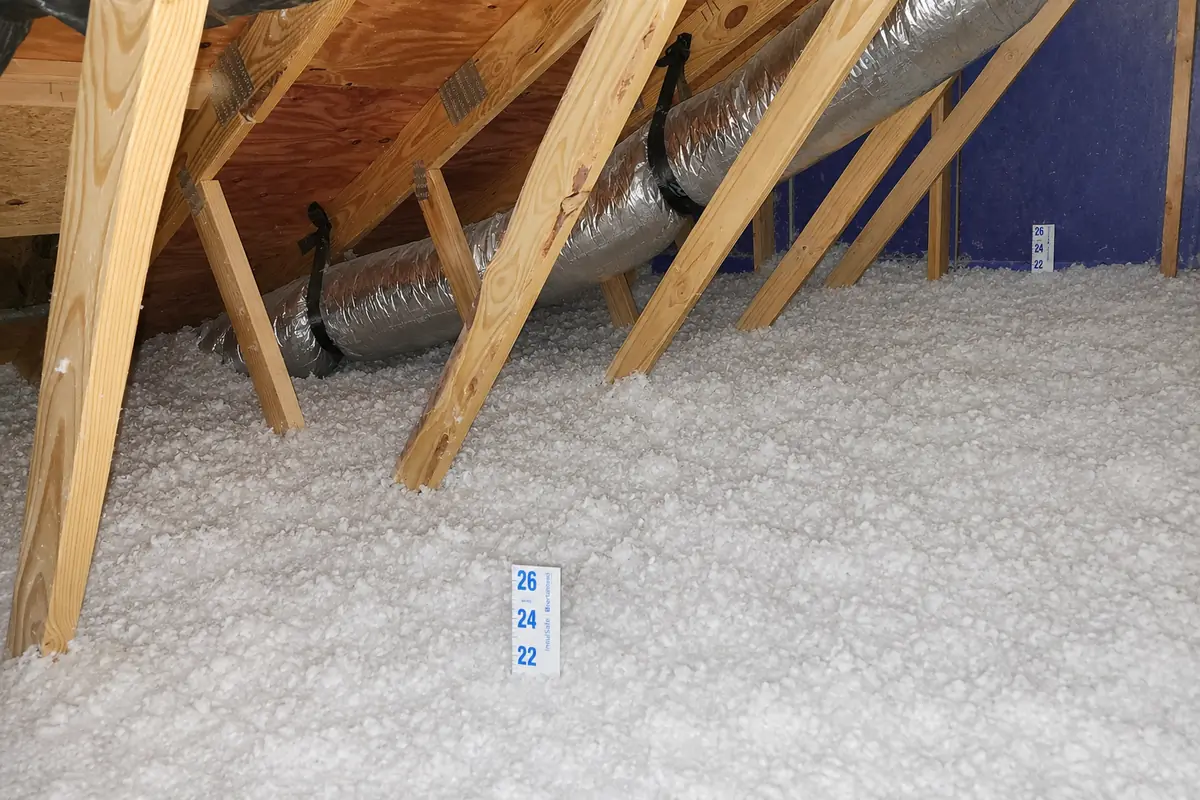
Attic Insulation R-Value in NC: What Does Wake County Need?
NC code targets R-49 for Wake County attics. Most fall short. Here is what your attic likely has, what the gap costs you, and when to upgrade.
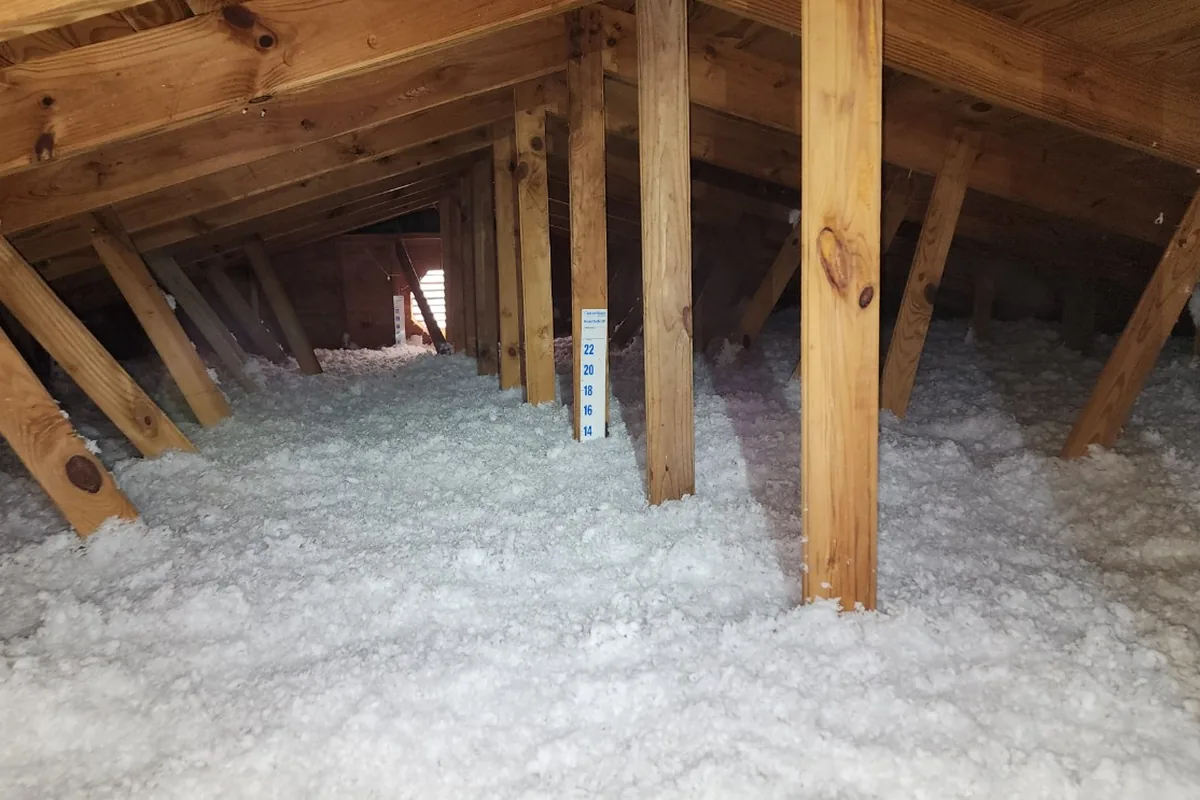
Attic Insulation Cost in NC: What to Budget
Attic insulation in the Triangle: $2,500–$5,500 to reach R-49. What drives the price, when a tearout is needed, and what Wake County homes actually have.
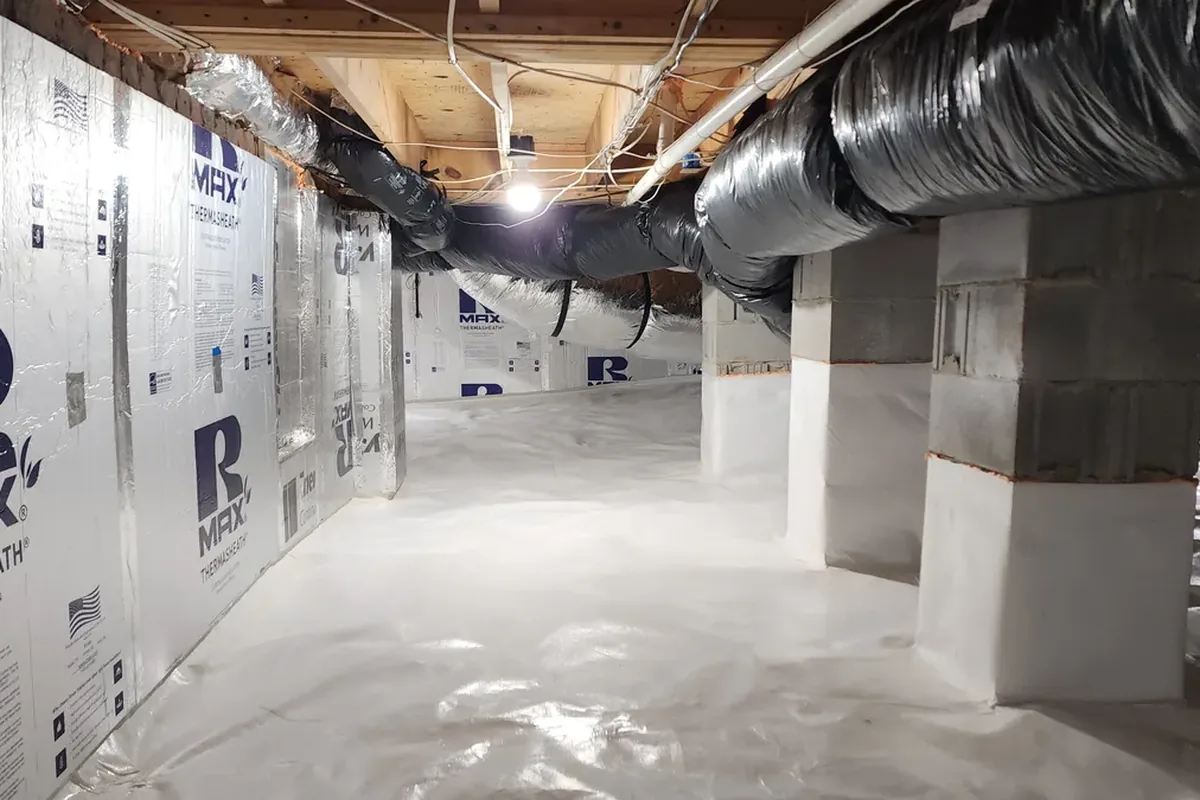
Crawl Space Encapsulation Cost in NC (2026 Price Guide)
Crawl space encapsulation in NC typically runs $7,500–$15,000 ($3–$7/sq ft). See Triangle cost-by-size estimates and what every quote should include.
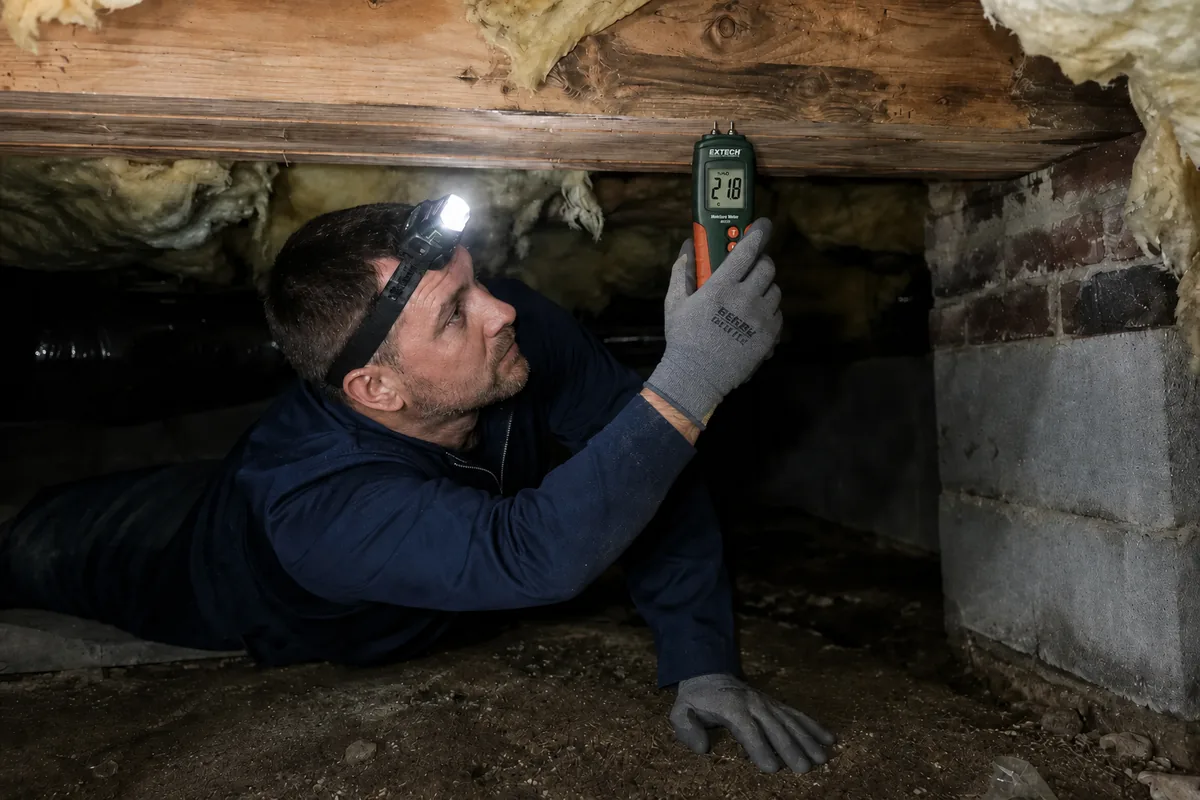
Crawl Space Humidity in Spring: When NC Homes Are at Risk
By late April in the Triangle, rising outdoor dew points make vented crawl spaces wetter. Here is when to check yours and what the numbers mean.

What Happens During a Home Energy Audit in NC
Home energy audit in NC: blower door test, thermal imaging, duct testing. Process, cost ($475–$650+), what it finds, and how it fits Energy Saver NC rebates.
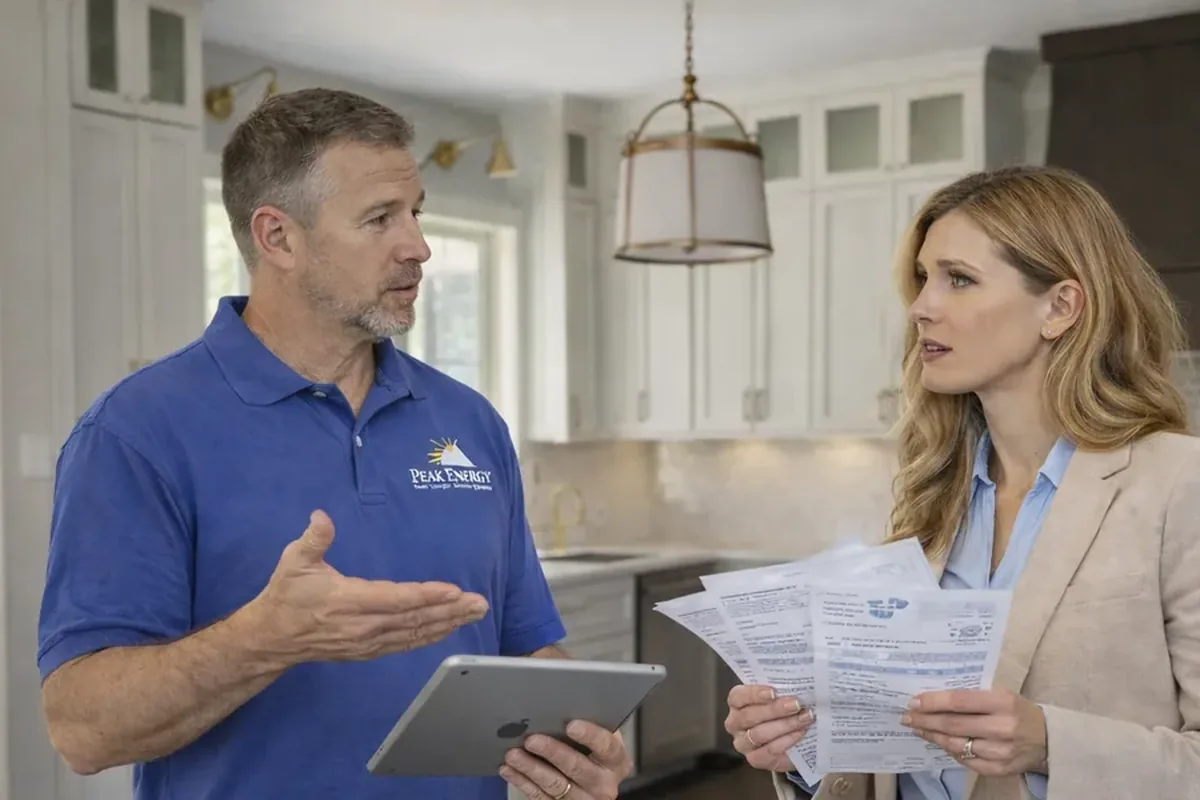
Why Is My Energy Bill So High in NC?
NC energy bills are up 22% since 2020. But leaky ducts and crawl spaces may be the bigger problem. Learn what's actually driving your bill.
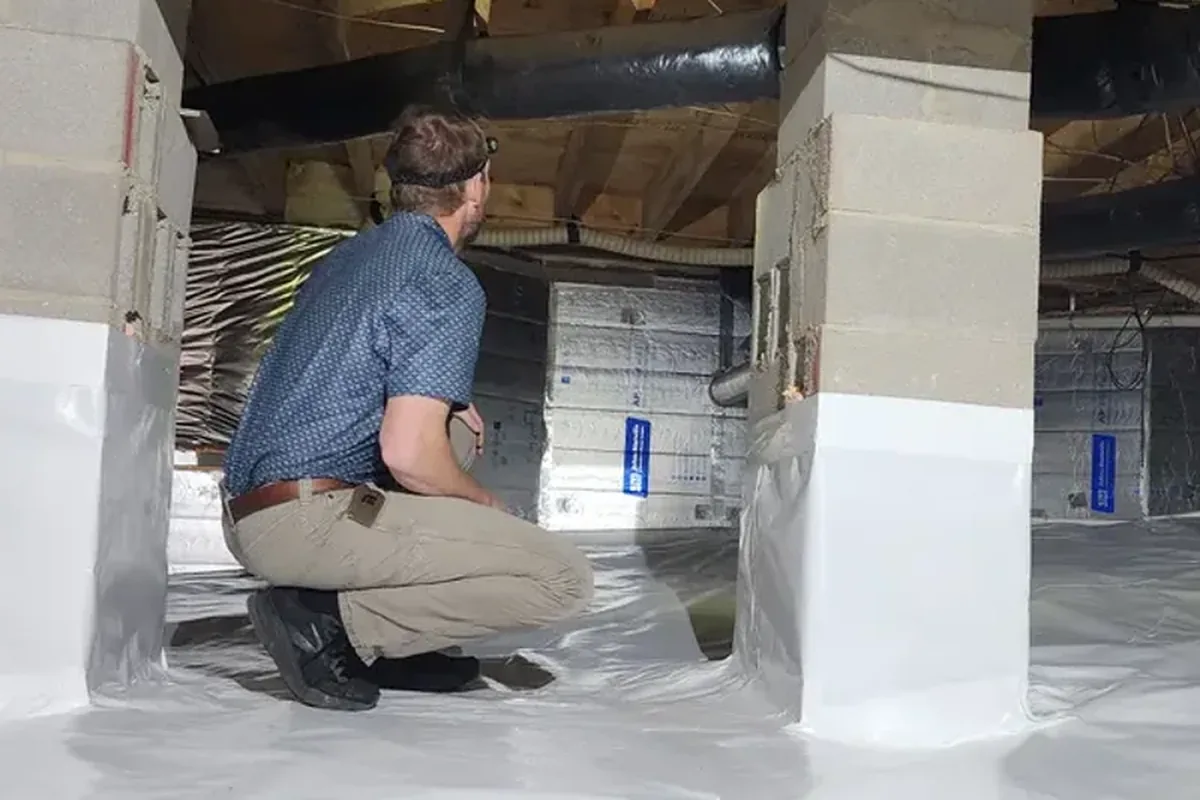
Sealed vs Vented Crawl Space in NC: Which Is Better?
In North Carolina's humid climate, sealed crawl spaces outperform vented ones on moisture, energy, and durability. Here's why and what the switch costs.
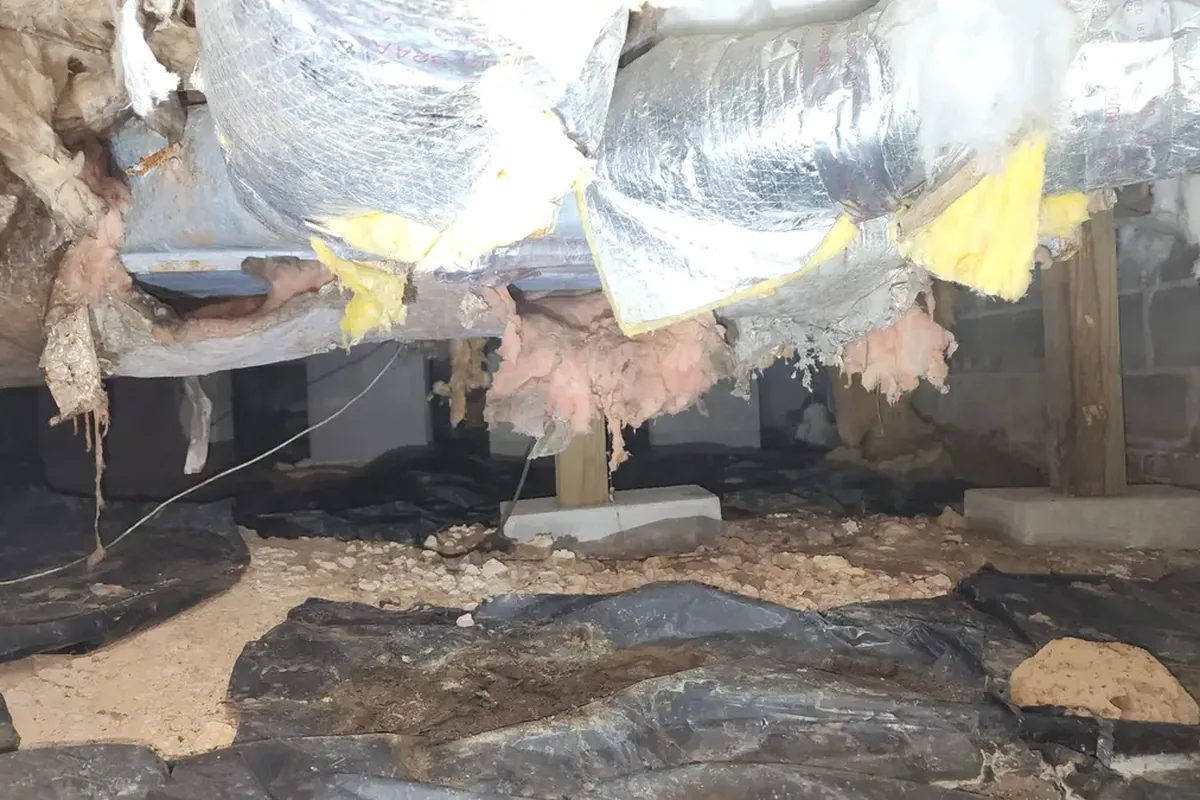
5 Signs Your Crawl Space Needs Encapsulation in NC
Musty odors, high humidity, and soft floors are warning signs. Learn the 5 most common signs your NC crawl space needs encapsulation.
Request an Assessment
Not sure what your crawl space needs? We'll help you figure it out.