Table of Contents
Sealed vs Vented Crawl Space: What North Carolina Homeowners Should Know
If your home has a crawl space, it falls into one of two categories: vented (with open foundation vents) or sealed (closed off from the outside with mechanical humidity control). The question of which is better has a clear answer in North Carolina — sealed crawl spaces outperform vented ones on moisture control, energy efficiency, and long-term durability.
But the reasoning matters. Understanding why vented crawl spaces fail in the Piedmont climate helps you make an informed decision about what your home actually needs.
What Is a Vented Crawl Space?
A vented crawl space has open foundation vents — small rectangular openings in the foundation wall — that allow outdoor air to flow through the space beneath the house. The original theory was that airflow would carry moisture out and keep the crawl space dry.
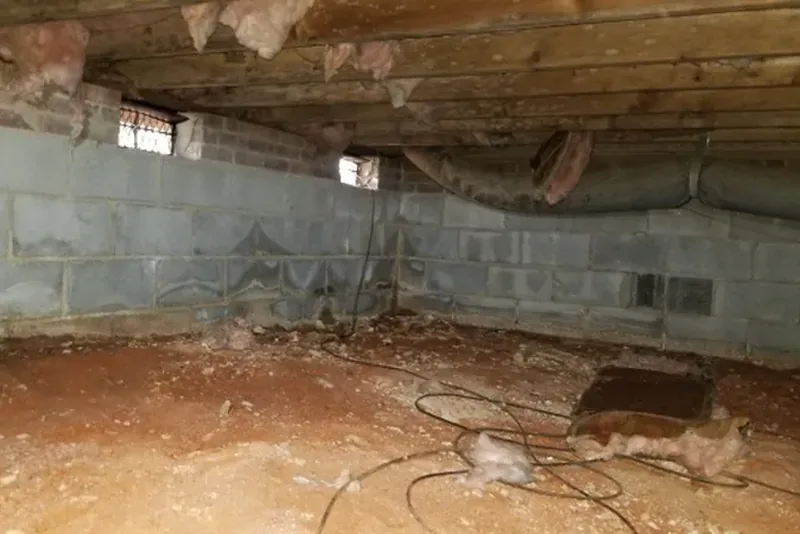
Most homes in Wake County built before the early 2000s have vented crawl spaces. It was standard practice and met code at the time. Foundation contractors installed block walls with built-in vent openings, and the crawl space floor was typically bare dirt or covered with a thin (6-mil) polyethylene sheet.
For decades, this was considered good practice. The problem is that the theory behind it doesn’t match what actually happens in a humid climate.
What Is a Sealed (Closed) Crawl Space?
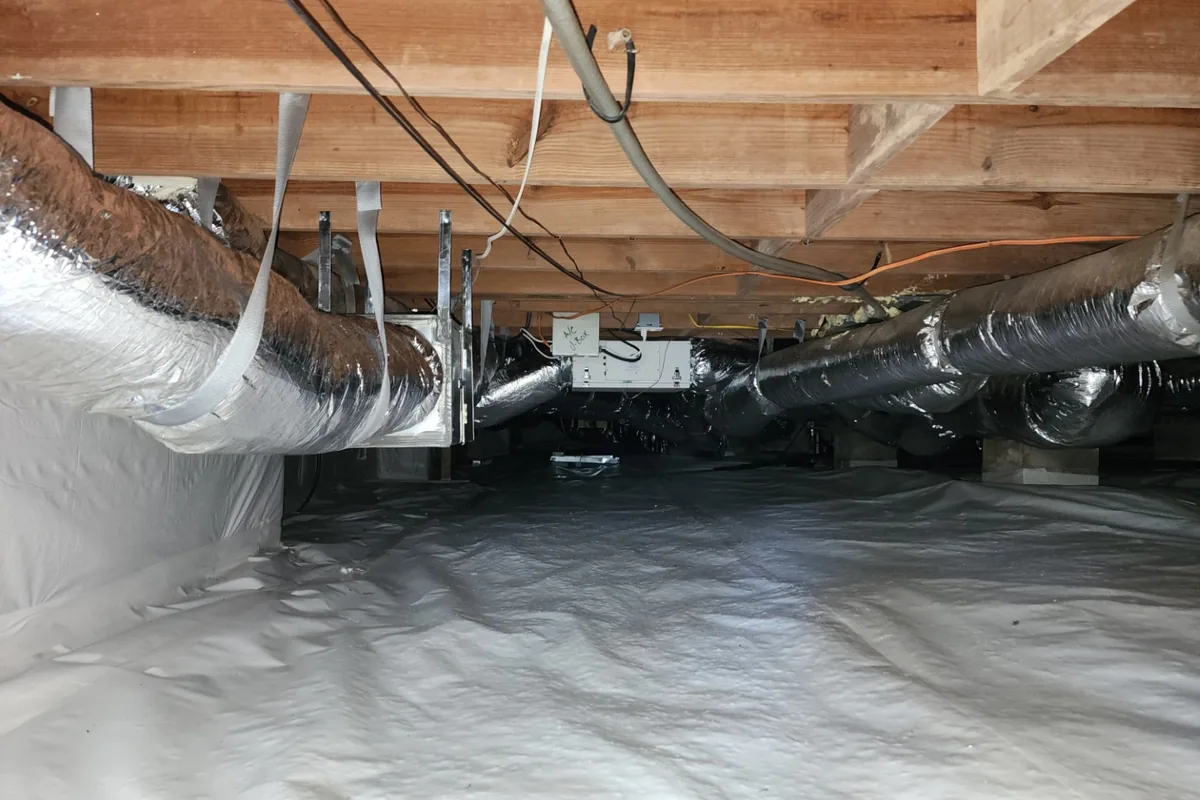
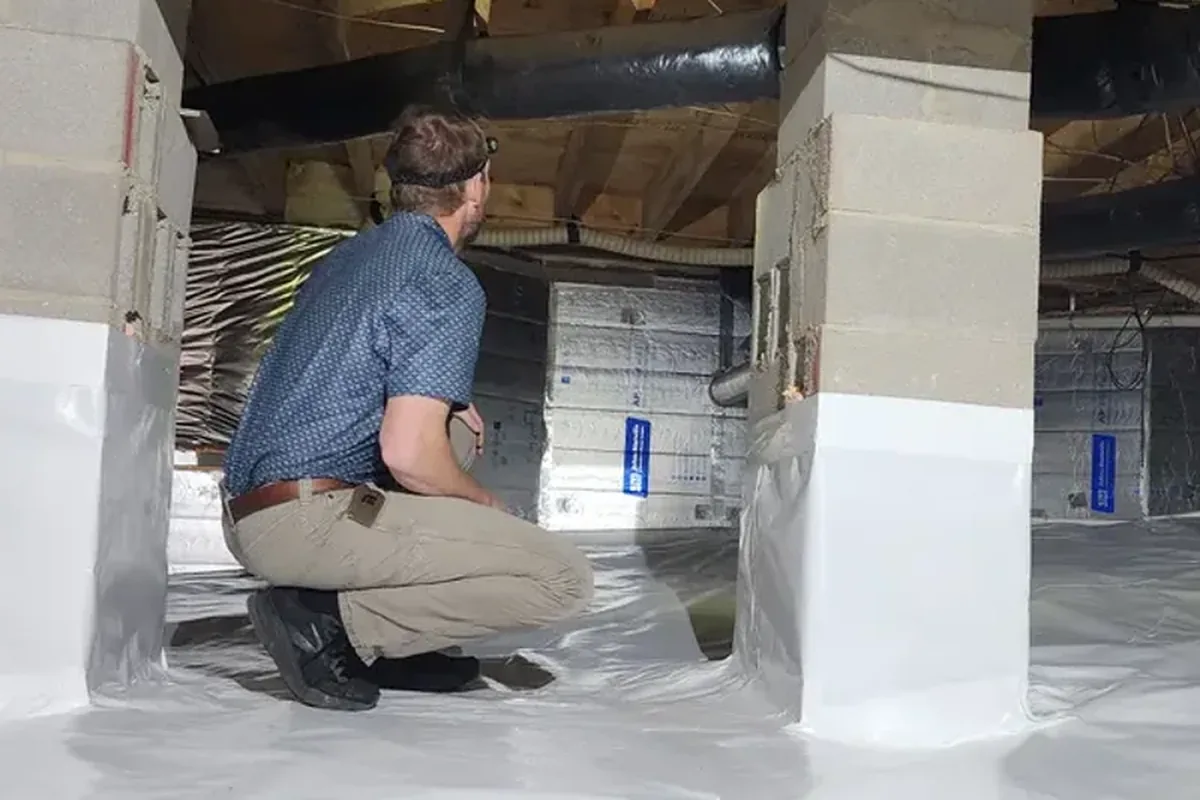
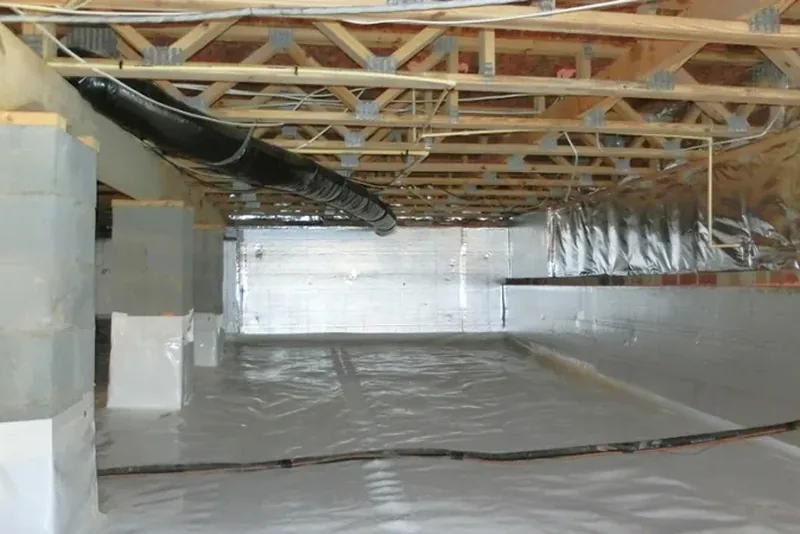
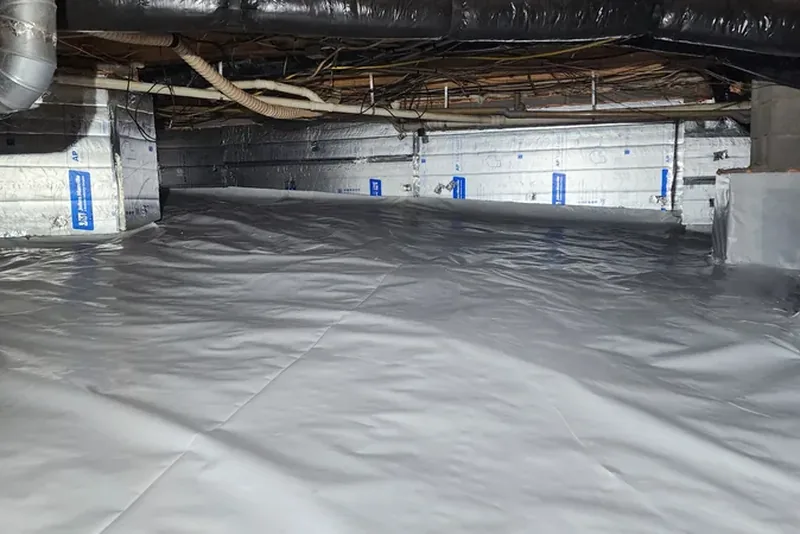
A sealed crawl space — sometimes called a closed, conditioned, or encapsulated crawl space — has no foundation vents. The space is isolated from outdoor air. A heavy-duty vapor barrier (typically 12-mil or thicker) covers the floor and foundation walls. All seams, penetrations, and gaps are sealed. Humidity is managed mechanically, either with a dehumidifier or by conditioning the space with supply air from the HVAC system.
North Carolina’s building code (NC Residential Code) now allows and encourages sealed crawl spaces, with specific requirements for vapor barriers, ground cover, and mechanical humidity control.
Why Vented Crawl Spaces Don’t Work in NC
The ventilation theory — that moving outdoor air through the crawl space removes moisture — only works when the outdoor air is drier than the air inside the crawl space. In North Carolina’s Piedmont climate, that’s rarely the case during the months when moisture problems are worst.
The Dew Point Problem
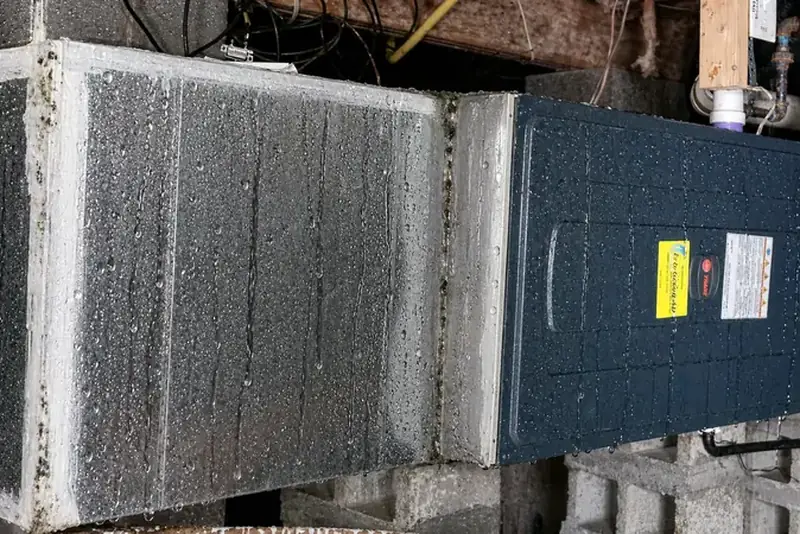
Here’s what happens in a typical Wake County summer. The outdoor air is 90°F with 75% relative humidity. That air enters through the foundation vents into the crawl space, where surfaces like ductwork, floor joists, and pipes are cooled to 65–75°F by the air conditioning running above. When warm, humid air meets those cooler surfaces, it drops below its dew point and condenses — the same reason a cold glass of water sweats on a hot day.
The result: water forms on your ductwork, joists, and subfloor. The vents that were supposed to dry the space are actually making it wetter.
Humidity Data
Field research on closed crawl spaces in the humid Southeast — including the North Carolina studies conducted by Advanced Energy, a Raleigh-based building science research organization — confirmed what building scientists had long observed: vented crawl spaces run persistently high relative humidity through the cooling season, often above 80%, while sealed crawl spaces with mechanical drying stay around 55–60% — well below the threshold for mold growth. For what separates an encapsulation that holds from one that fails, see our guide on whether crawl space encapsulation works in NC.
In our own work across Holly Springs, Raleigh, Cary, and Apex, we routinely measure relative humidity of 70–85% in vented crawl spaces during summer. After encapsulation with a dehumidifier, those same spaces drop to 45–55%.
The Stack Effect
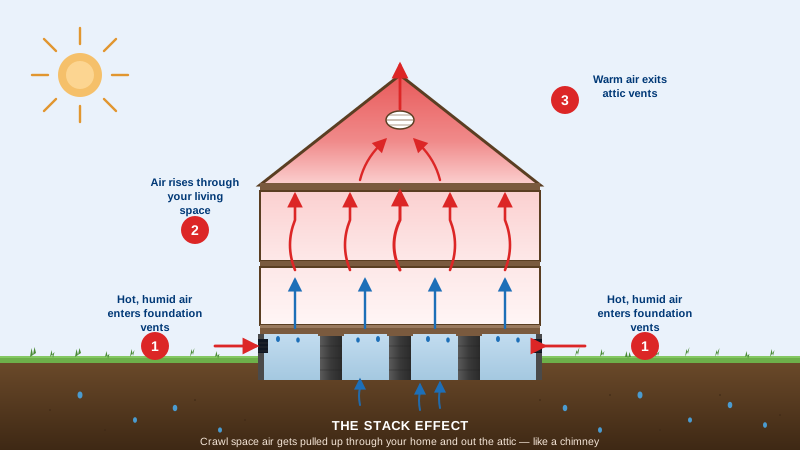
Even in winter, vented crawl spaces create problems. Cold air entering through vents chills the floor joists and ductwork. That cold layer beneath the house makes first-floor rooms uncomfortable and forces your heating system to work harder. Meanwhile, the stack effect — the natural upward movement of air through a home — pulls crawl space air into the living space. If there’s mold, moisture, or musty air below, it ends up in the rooms you live in.
How They Compare: Sealed vs Vented
| Factor | Vented Crawl Space | Sealed Crawl Space |
|---|---|---|
| Summer humidity | 70–85% RH (measured in Wake County) | 45–55% RH with dehumidifier |
| Moisture source control | No — outdoor air introduces moisture | Yes — isolated from outdoor air |
| Mold risk | High — sustained humidity above 60% promotes growth | Low — humidity maintained below 55% |
| Energy impact | Increases heating and cooling costs 10–20% | Reduces energy costs after sealing |
| Floor comfort | Cold in winter, warm in summer | More even year-round |
| Pest entry | Open vents provide access | Sealed vents reduce entry points |
| Air quality | Stack effect pulls crawl space air into home | Cleaner air — moisture and mold controlled |
| NC code status | Allowed (grandfathered) | Allowed and encouraged with code requirements |
| Maintenance | Minimal, but problems develop silently | Annual inspection recommended; dehumidifier maintenance |
When a Vented Crawl Space Might Be Acceptable
To be fair, not every vented crawl space is an emergency. Some homes on higher ground with excellent drainage, minimal clay soil, and well-maintained vapor barriers may show few visible problems. Homes in drier microclimates — hilltop lots with sandy soil and good grading — experience less moisture infiltration.
But “no visible problems” doesn’t always mean “no moisture.” Elevated humidity can exist without visible condensation, slowly degrading wood fiber strength and creating conditions for mold long before you see or smell anything.
If you’re unsure about your crawl space conditions, a home energy audit includes moisture readings, humidity testing, and thermal imaging that give you objective data — not guesswork.
What It Takes to Convert From Vented to Sealed
Converting a vented crawl space to a sealed one is the core of what crawl space encapsulation involves. The typical process includes:
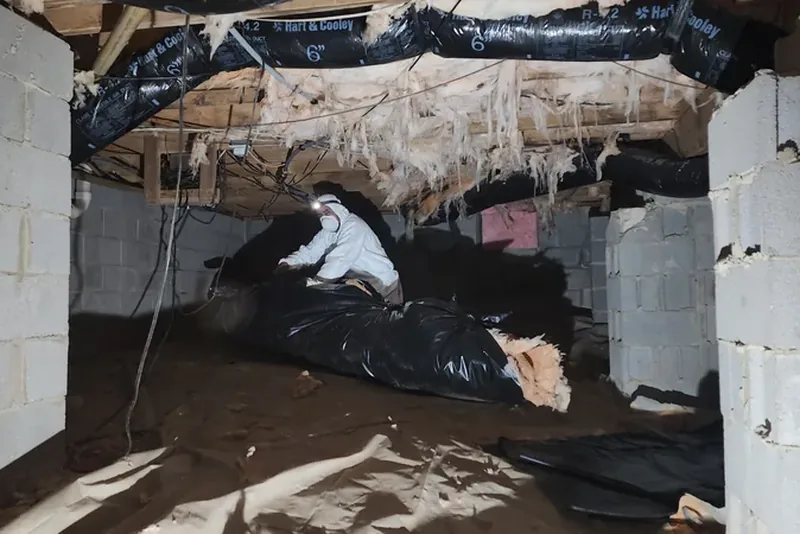
- Remove or remediate any existing mold, standing water, or debris
- Install a heavy-duty vapor barrier (12-mil or thicker) over the entire crawl space floor and up the foundation walls
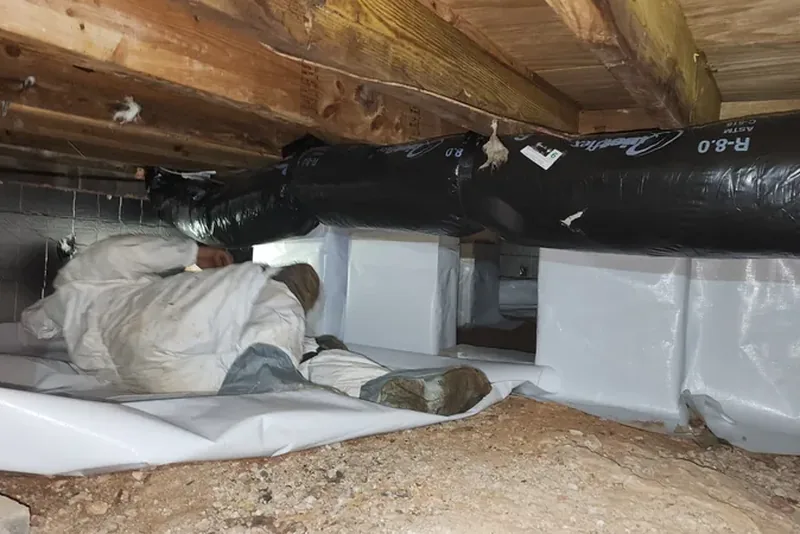
- Seal all foundation vents with rigid foam board or permanent covers
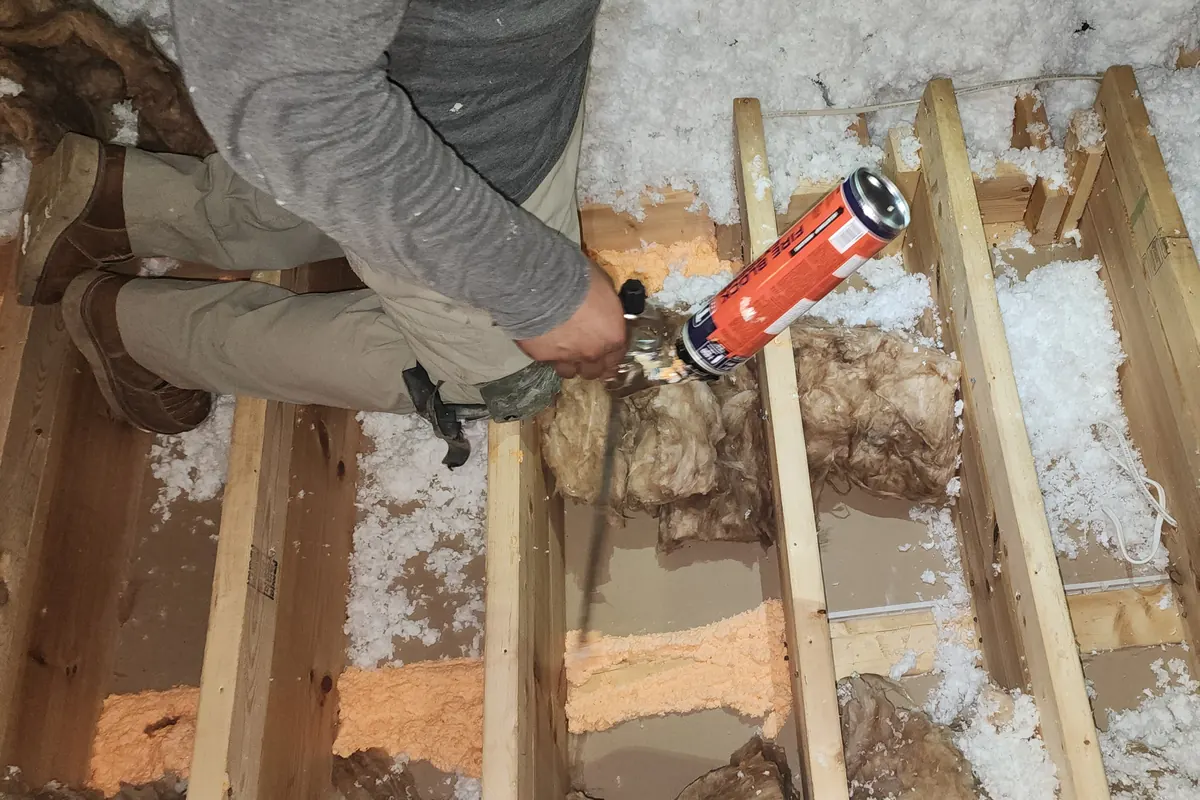
- Air seal the rim joist, pipe penetrations, and any gaps between the crawl space and living space — this also contributes to your home's overall envelope airtightness, which a blower door test can measure before and after
- Install a dehumidifier or condition the space with HVAC supply air to manage residual humidity
- Verify the work — Peak Energy measures humidity, air leakage, and duct performance before and after to confirm the sealed space is performing as expected
The cost for a full conversion in Wake County typically runs an estimated $7,500–$15,000, depending on crawl space size and existing conditions. Read our full cost breakdown for details on what drives the price.
The Energy Impact
Sealing the crawl space has a direct effect on your energy bills. When you eliminate the flow of unconditioned outdoor air through the foundation, you remove a major source of heating and cooling loss.
Estimated energy savings after encapsulation typically run 10–20% annually. In a home spending $250 per month on energy, that’s $300–$600 per year. Over the 15–20 year life of an encapsulation, the cumulative savings are substantial.
You can track this in real-time with a whole-home energy monitor — it shows your consumption by the hour so you can see exactly how the sealed crawl space changed your home’s performance.
Frequently Asked Questions
Does NC code require sealed crawl spaces?
No. North Carolina allows both vented and sealed (closed) crawl spaces. However, the code sets specific requirements for closed crawl spaces: a Class I vapor retarder (6-mil minimum) on the ground, mechanical humidity control, and proper air sealing. The trend in new construction is increasingly toward sealed designs because they perform better in the humid Piedmont climate.
Can I just close the vents without doing full encapsulation?
Closing the vents without installing a vapor barrier, air sealing, and dehumidification can actually make things worse. You'd be trapping existing moisture inside the crawl space with no way for it to escape. A sealed crawl space must include mechanical humidity control — that's what makes it work.
How do I know if my crawl space is vented or sealed?
Look at the exterior foundation walls. If you see small rectangular openings (usually with screens or manual dampers), you have a vented crawl space. If the foundation walls are solid with no vent openings, or if the vents have been permanently sealed and there's a vapor barrier and dehumidifier inside, you have a sealed space.
Is it worth converting an older home from vented to sealed?
In most cases in Wake County, yes. Older homes (1970s–2000s) with vented crawl spaces on Piedmont clay soil are the homes that benefit most from conversion. The clay holds water around the foundation, and decades of humid air exposure have typically caused some level of moisture damage. The earlier you convert, the less structural repair you'll need down the line.
Will sealing my crawl space help with allergies?
It can. Mold spores from the crawl space are pulled into the living space through the stack effect. If you or your family members experience worse allergy symptoms indoors — especially during humid months — crawl space moisture is a common contributing factor. Sealing the space and controlling humidity reduces mold growth and the volume of contaminated air entering your home.
Ready to Assess Your Crawl Space?
We use diagnostic tools — not guesswork — to measure what's happening below your home. Serving Holly Springs and Wake County for over 15 years.
Serving Holly Springs, Raleigh, Cary, Apex & the Triangle