Energy Saver NC Rebates for Insulation, Air Sealing & Duct Sealing
A registered Energy Saver North Carolina contractor helping Triangle homeowners complete qualifying attic insulation, crawl space insulation, air sealing and duct sealing through the HOMES or HEAR rebate programs. Call or text us first so the project is set up through Peak Energy from the start.
Yes, this is real. No, it is not a scam.
Most homeowners we talk to assume something this generous has to be too good to be true. Why would the government help pay for insulation and air sealing? Here is the honest answer: Energy Saver North Carolina is a real federal Home Energy Rebates program, funded through the Inflation Reduction Act and administered by the North Carolina Department of Environmental Quality. We encourage you to do your own research. Read the details on this page and on the official Energy Saver NC website, then get signed up with Peak Energy. Funding is first-come, first-served, so take advantage of it while it lasts.
Don't take our word for it. Verify it for yourself:
- Confirm the program is real at the North Carolina Department of Environmental Quality: NC DEQ – Energy Saver NC rebates.
- Confirm Peak Energy, Inc. is a registered North Carolina business at the NC Secretary of State business search.
- Confirm Peak Energy, Inc. is a licensed North Carolina general contractor at the NC Licensing Board for General Contractors (search the company name).
- Confirm Peak Energy, Inc. is an approved Energy Saver NC contractor in the Energy Saver NC Find a Contractor directory.
Still not sure? Call Energy Saver North Carolina directly at 866-998-8555, Monday through Friday, 8 a.m. to 5 p.m., or visit their office at 217 West Jones Street, Raleigh, NC 27603.
Quick Answer
Energy Saver NC helps qualifying Wake County and Triangle homeowners pay for a wide range of home energy improvements, from insulation and air sealing to heat pumps, water heaters and electrical upgrades. Peak Energy provides the insulation, air sealing and duct sealing portion of that list. Through HOMES, households below 80% AMI may receive up to 100% of eligible project costs up to $16,000. Households between 80% and 150% AMI may receive 50% of eligible project costs up to $4,000 depending on modeled energy savings. Peak Energy is a registered Energy Saver NC contractor based in Holly Springs and serves Wake County and surrounding Triangle counties. Call or text (919) 567-5329 to start a project with Peak Energy.
What the Energy Saver NC HOMES Rebate Can Do
- Up to 100% of eligible project costs, up to $16,000, for households below 80% of Area Median Income
- Moderate-income households may qualify for 50%, up to $4,000, for households between 80% and 150% of Area Median Income (see note below)
- Available to qualifying households up to 150% of Area Median Income
- Rebate is applied to the approved project cost, not paid back to you later
- Peak Energy handles the contractor-side program process from scope to completion documentation
For households between 80% and 150% AMI, HOMES covers 50% of eligible project costs up to $2,000 for projects modeled at 20%–34% energy savings and up to $4,000 for projects modeled at 35% or greater energy savings.
What Is Energy Saver NC?
Energy Saver North Carolina is North Carolina's Home Energy Rebates program, administered by the North Carolina Department of Environmental Quality and supported through the U.S. Department of Energy's Inflation Reduction Act Home Energy Rebate Programs.The program helps households earning up to 150% of their county's Area Median Income pay for improvements that lower energy use. It covers far more than any one contractor does: HOMES pays for whole-home weatherization such as insulation, air sealing, duct sealing and duct insulation, and HEAR pays set amounts toward heat pumps, heat pump water heaters, electrical panels, wiring and certain appliances. Peak Energy provides the insulation, air sealing and duct sealing. Depending on income tier and the project's modeled savings, HOMES can cover half of an eligible project, or in some cases all of it, within program caps.
Two things set it apart from a typical utility rebate. The work must be done by a contractor registered with the program, and the rebate is reserved before the work starts and paid to the contractor afterward, so you are not fronting the full cost and waiting on a check. Funds are first-come, first-served, and the program is expected to run until 2031 or until funding is used up. Our guide to how Energy Saver NC rebates work walks through it from the homeowner's side.
Many Wake County Working Families Qualify
Energy Saver NC is available to qualifying households with incomes up to 150% of Area Median Income. In Wake County, that includes many middle-income and working families.A four-person Wake County household can have annual household income up to approximately $198,450 and still fall within the program's published 150% AMI income limit. The program has two coverage tiers: households below 80% AMI fall in the 100% coverage tier, and households between 80% and 150% AMI fall in the 50% coverage tier.
Wake County Energy Saver NC Income Limits
| Household Size | 100% Coverage Tier 80% AMI Benchmark | 50% Coverage Tier 150% AMI Upper Limit |
|---|---|---|
| 1 person | $74,100 | $138,950 |
| 2 people | $84,700 | $158,800 |
| 3 people | $95,300 | $178,650 |
| 4 people | $105,850 | $198,450 |
| 5 people | $114,350 | $214,350 |
| 6 people | $122,800 | $230,250 |
HOMES may cover 100% of eligible project costs up to $16,000.
HOMES may cover 50% of eligible project costs, up to $2,000 for projects with 20%–34% modeled energy savings or up to $4,000 when modeled energy savings reach 35% or greater.
Income limits vary by county and household size and are subject to program updates. Income limits shown are the current Wake County limits published by Energy Saver North Carolina (AMI Income Summary, updated June 2026) and were reviewed September 1, 2026. Enrollment in certain recognized assistance programs, including Medicaid, SNAP, SSI and others, may provide categorical eligibility for the program's income verification process. Other project and program requirements still apply.
Not sure where your household lands? Call or text (919) 567-5329. We can walk you through the income limits and the application steps before anyone commits to anything. Energy Saver North Carolina makes the official eligibility determination.
How the Energy Saver NC HOMES Rebate Works
The HOMES program rewards whole-home energy efficiency improvements. A qualifying project must be modeled to reduce the home's energy use by at least 20%.Eligible improvements can include:
The Energy Saver NC home energy assessment and energy model determine which improvements are included in the approved project and the modeled energy savings. Actual savings vary by home. HOMES uses a home assessment and energy model to estimate the energy savings from the approved combination of improvements, and the rebate tier follows from that estimate and your household's income tier. For HVAC upgrades such as heat pumps, we recommend going directly to Superior Heating and Cooling. Contact us and we can put you in touch with them if needed.
Why Homeowners Choose Peak Energy for Energy Saver NC Work
The rebate only applies to work done by a registered contractor, and the contractor you choose shapes the whole project: what gets found, what gets fixed and how well it is documented.The simplest way to start is a call or text to (919) 567-5329. We will tell you whether the rebate looks like a fit for your house and your household before anyone schedules anything.
The Work We Do That HOMES Can Cover
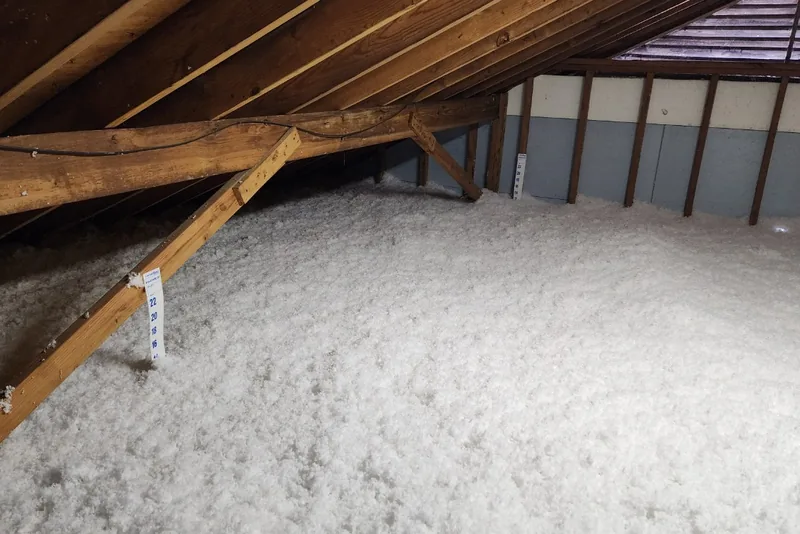
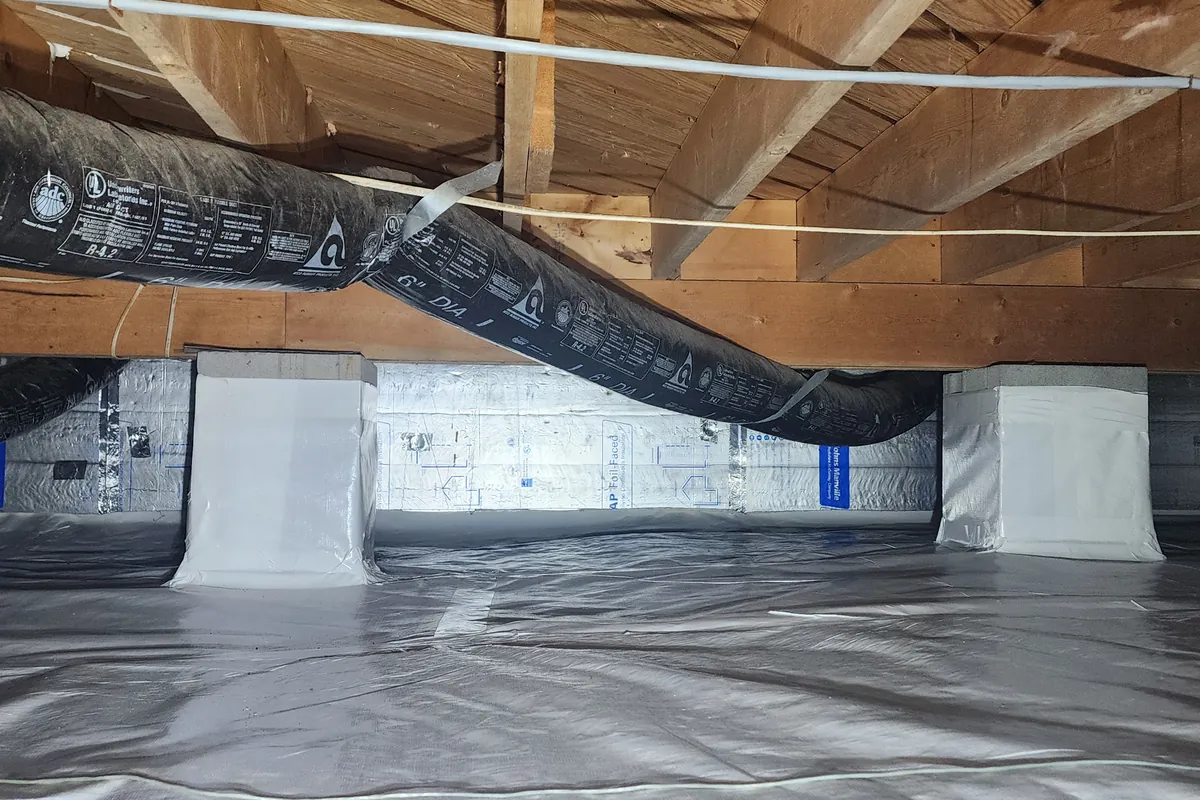
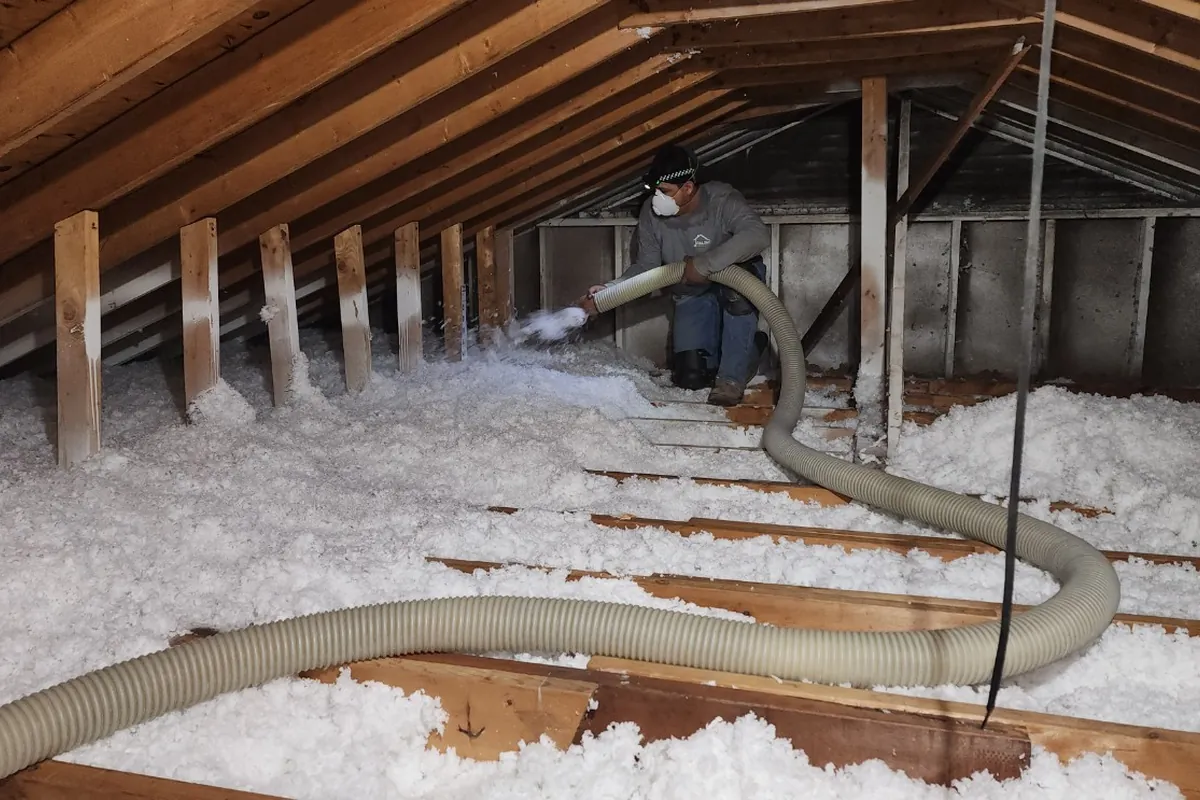
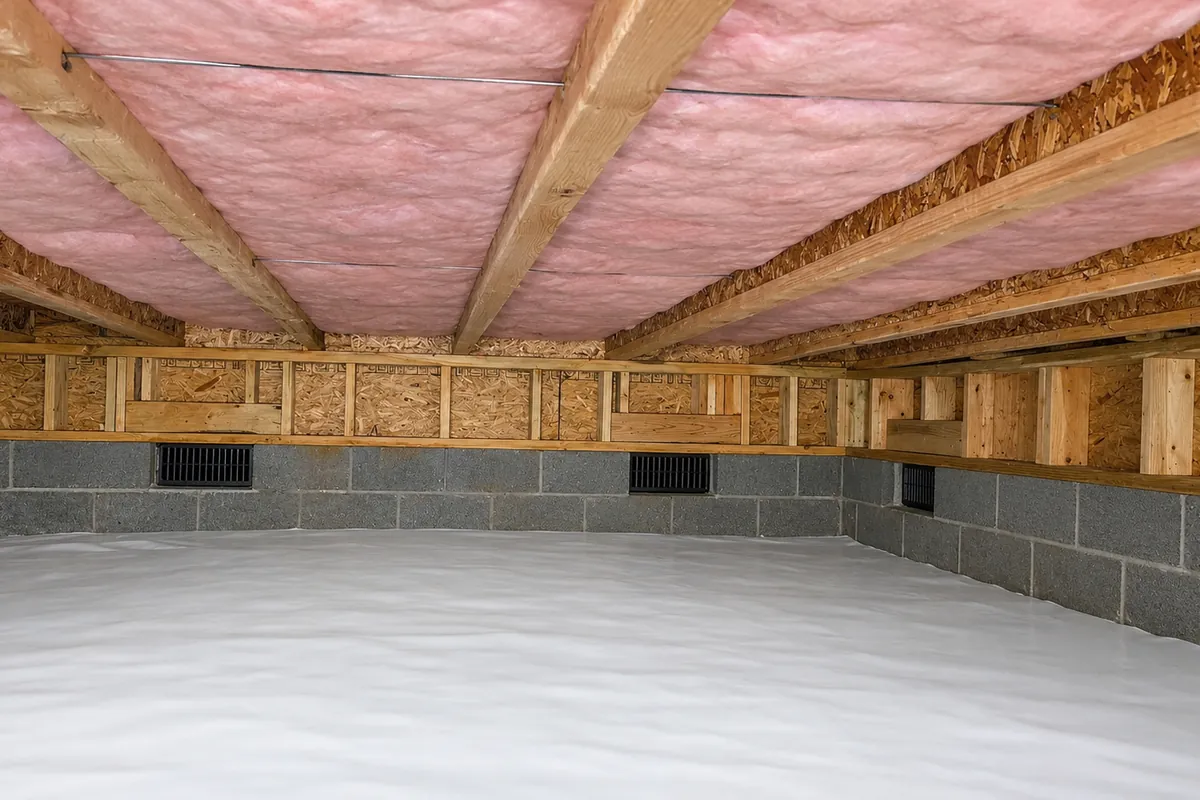
Energy Saver NC covers more than any one contractor offers. Peak Energy provides three of the HOMES weatherization measures: insulation, air sealing and duct sealing.In the humid Piedmont climate around Holly Springs, Raleigh, Cary, Apex and Fuquay-Varina, most homes built with vented crawl spaces and builder-grade attic insulation lose conditioned air in both directions. Actual savings vary by home. HOMES uses a home assessment and energy model to estimate the energy savings from the approved combination of improvements, and that estimate, not a rule of thumb, sets the rebate tier.
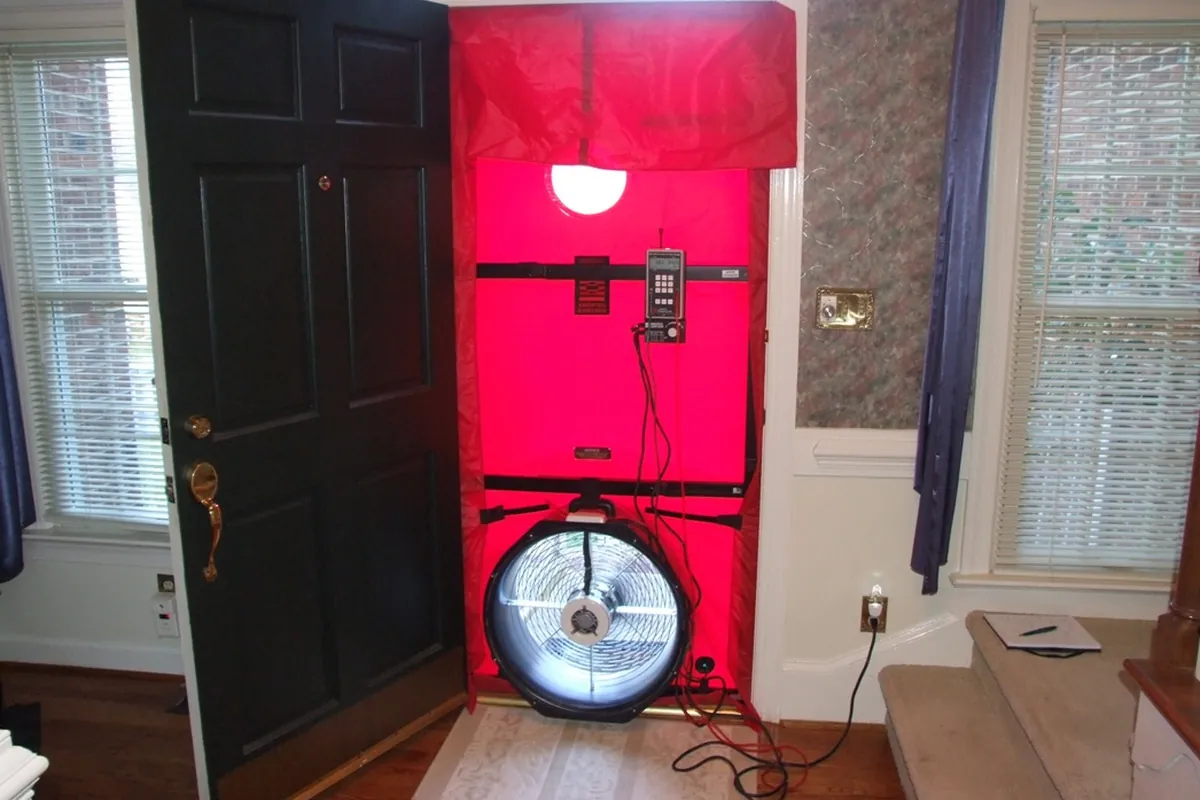
Targeted Air Sealing With Blower Door Testing
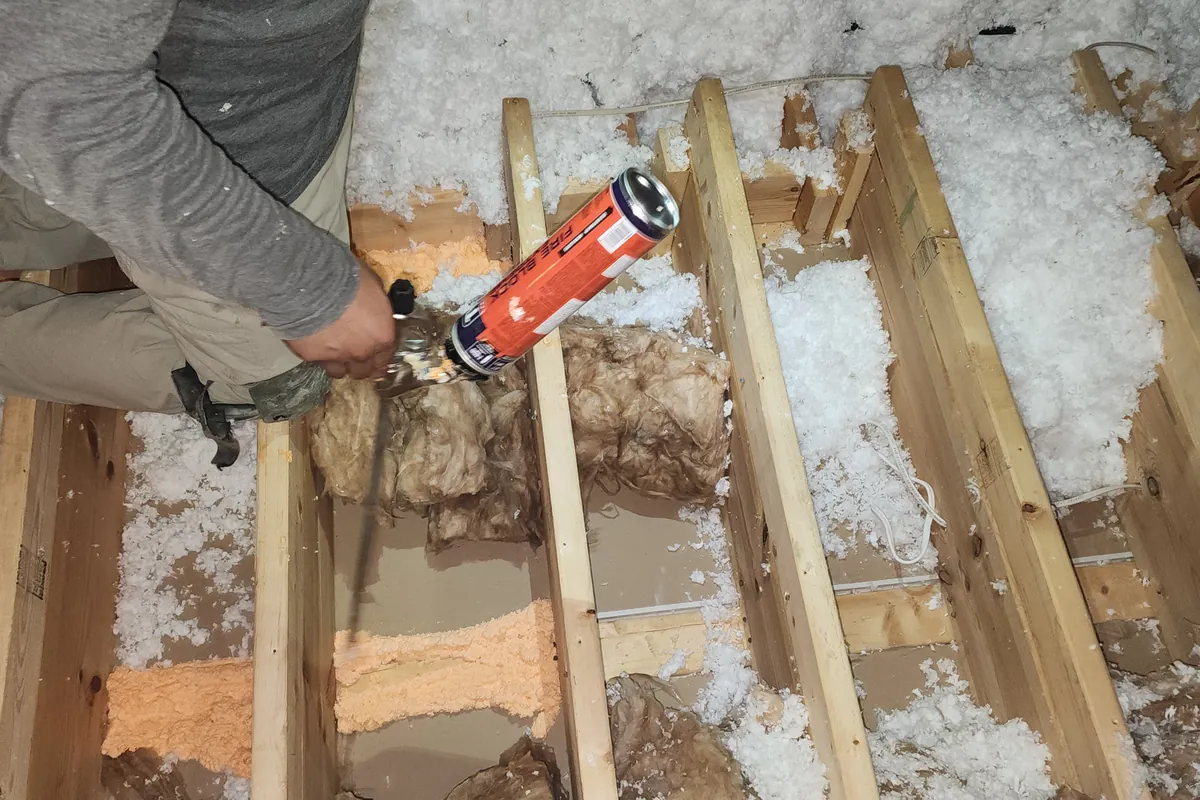
Adding insulation without addressing major air leaks can leave significant energy losses in place. Energy Saver North Carolina's program requirements call for air sealing to be addressed before insulation where applicable.Peak Energy uses blower door testing and building science diagnostics to identify significant air leakage and target areas such as attic penetrations, top plates, plumbing and electrical penetrations, rim joists and other building envelope leaks. The blower door depressurizes the house and shows us where it is leaking, so air sealing goes where the air is actually moving instead of simply adding insulation over existing problems.
Peak Energy's blower door diagnostics complement the Energy Saver NC process; they do not replace the program required HOMES assessment or energy model. The program's assessment sets the approved scope and the modeled savings. Our testing makes sure the air sealing inside that scope is done where it counts, and a post-work test can document the improvement.
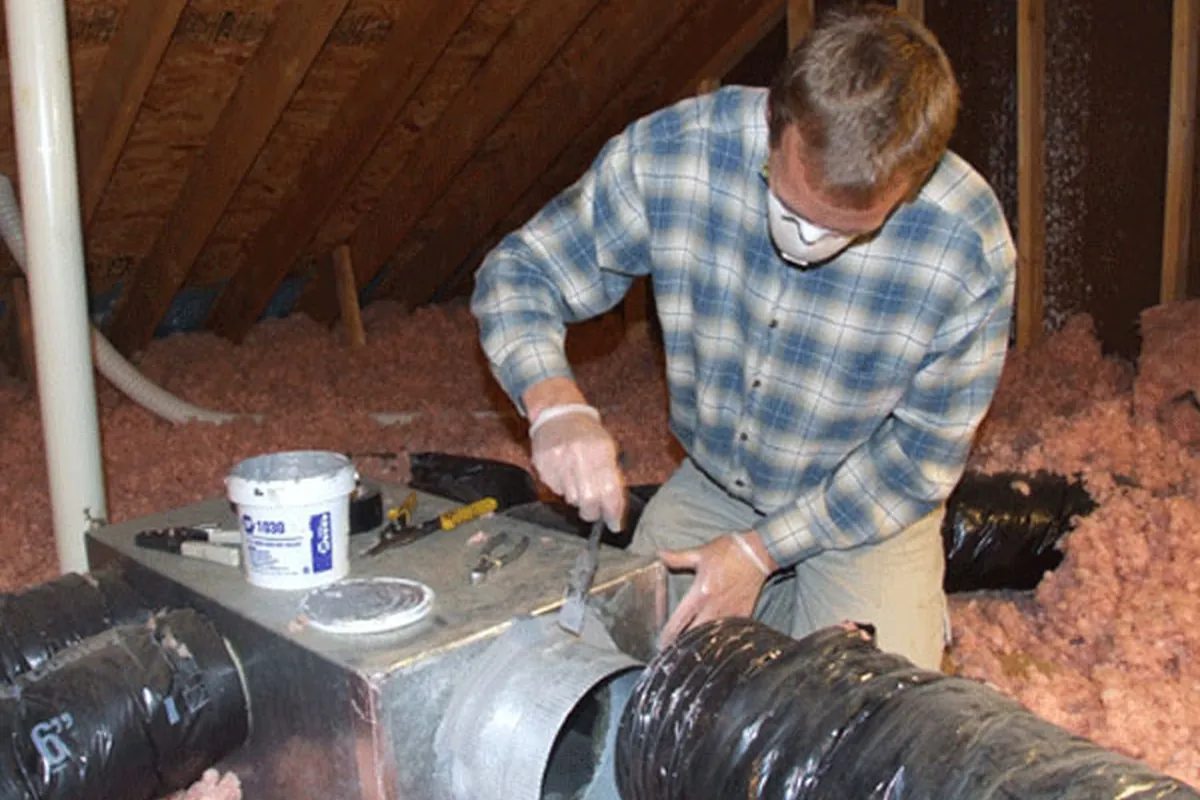
Duct Sealing and Duct Leakage
Energy Saver NC HOMES program requirements recognize duct sealing and duct insulation as eligible weatherization measures when they are included in the approved project.Leaky supply and return ducts in a vented crawl space or a hot attic waste conditioned air before it reaches the rooms. Peak Energy can inspect ductwork and use duct leakage testing when appropriate to identify significant duct losses and verify improvements after sealing. Whether duct testing is part of a given project depends on the approved scope and program requirements for that project.
Duct work often pairs with attic insulation or crawl space insulation in the same HOMES project, because the ducts run through the spaces being improved. A home energy audit is how we look at the whole picture before recommending a scope.
Crawl Space Encapsulation and Energy Saver NC
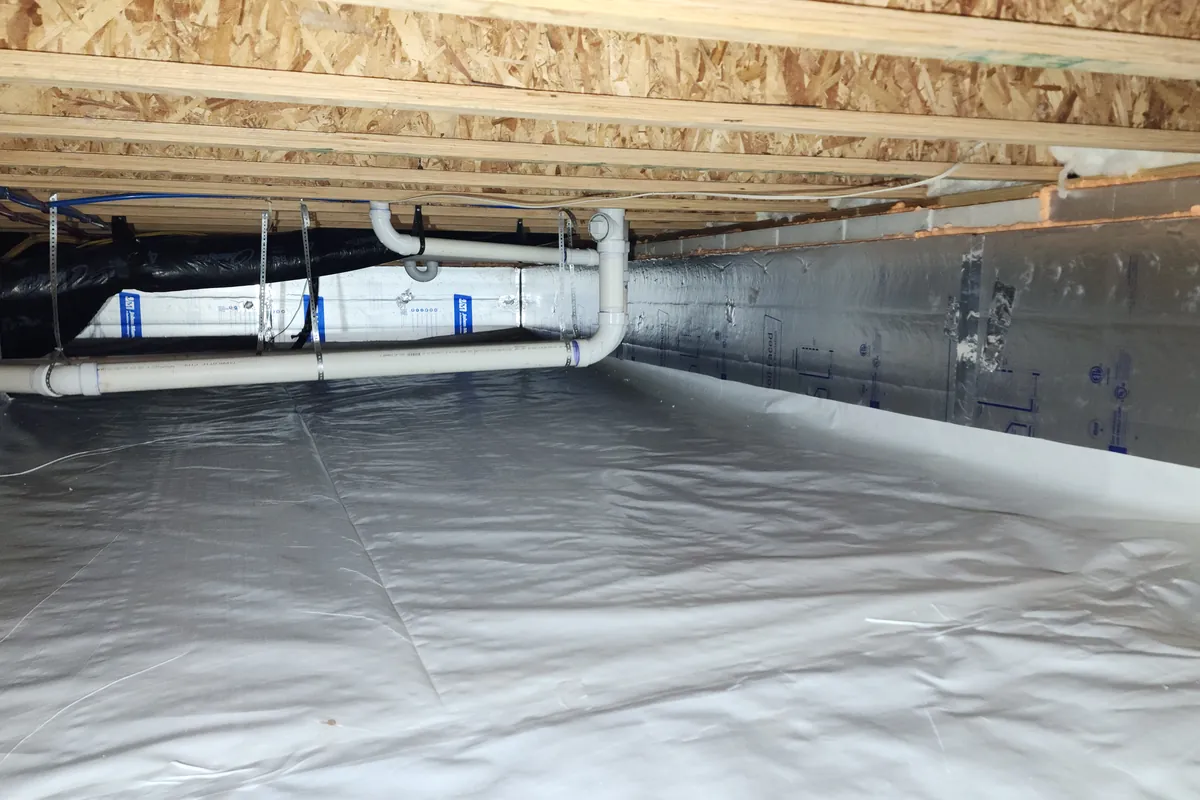
Certain portions of a crawl space project, including qualifying insulation, air sealing and moisture control materials, may be eligible when they are included in the Energy Saver NC approved HOMES project scope.A full crawl space encapsulation does not automatically qualify. Dehumidifiers, drainage, sump pumps, mold remediation, structural repairs and other encapsulation components should not be assumed to be rebate eligible unless they are specifically approved as part of the project. When we scope an encapsulation for a household in the program, we separate the portions that fit the approved HOMES scope from the portions that do not, so the quote is clear about what the rebate applies to.
How the Process Works With Peak Energy
Start with a call or text. Energy Saver NC verifies eligibility and approves the project; Peak Energy builds the scope, installs the approved work and provides the completion documentation.Check Income Qualification
Call or text (919) 567-5329. Peak Energy can help you understand the income requirements and the application process. Energy Saver North Carolina makes the official eligibility determination.
Free HOMES Home Energy Assessment
A qualifying HOMES project begins with the program's required free home energy assessment. The assessment and energy model identify improvements and estimate whole-home energy savings.
Build the Approved Project
Peak Energy develops the applicable insulation, air sealing and duct sealing scope based on the assessment and program requirements, with our own blower door and duct diagnostics used to target the work.
Program Approval and Rebate Reservation
The project information and rebate must be reviewed and approved through Energy Saver NC, and the rebate reserved, before the qualifying work begins.
Complete the Improvements
Peak Energy installs the approved work to Energy Saver NC requirements.
Completion Documentation
Peak Energy provides the required project documentation. The program pays the approved rebate to the contractor, and the homeowner is responsible for any remaining approved project cost.
What About HEAR?
Energy Saver NC also operates the HEAR program for qualifying electrification and appliance upgrades, such as ENERGY STAR certified heat pumps, heat pump water heaters and electrical panel work.HEAR and HOMES cannot pay for the same upgrade twice. HEAR also includes a rebate of up to $1,600 toward insulation, air sealing and ventilation, so there is some HEAR money for air sealing as well. For insulation, air sealing and duct sealing, HOMES is the path Peak Energy directs homeowners toward, because it is usually the larger and more flexible rebate. Federal HEAR guidance changed effective September 1, 2026, including new rules for fossil fuel equipment and for insulation and air sealing alongside heat pump projects, so for current HEAR rules see the official Energy Saver NC HEAR updates page.
You Can Stack This With Duke Energy Smart $aver
Peak Energy is also an approved participating contractor in Duke Energy's Smart $aver rebate program, and the two programs stack. Qualifying households can claim both on the same project.Smart $aver is funded by Duke Energy for its own residential electric customers, and eligibility turns on the house rather than the household. Duke Energy pays $700 for attic insulation combined with air sealing and $350 for stand-alone duct sealing, with no income verification, no Area Median Income table and no program energy model to wait on. That money is separate from your HOMES rebate, so it comes on top rather than out of it.
Smart $aver is narrower in scope. It covers attic insulation, air sealing and duct sealing, and nothing else we do, so crawl space insulation stays on the Energy Saver NC side. It also requires your existing attic insulation to be R-19 or below, and it pays on measured results: a 5% or greater reduction in whole-home air leakage and a 12% or greater reduction in duct leakage. We run the blower door and duct leakage tests that produce those numbers.
Because we are approved under both programs, this is one contractor, one scope of work and both sets of paperwork handled on our end. Each program still makes its own eligibility determination and sets its own final amount. Also worth knowing: Smart $aver has no income test at all, so if your household comes in above the Energy Saver NC limits, the Duke Energy rebates are still available to you.
See our Duke Energy Smart $aver rebates page for the full requirements →
Where We Take Energy Saver NC Projects
Peak Energy is based in Holly Springs and provides Energy Saver NC insulation, air sealing and duct sealing projects throughout Wake County and surrounding Triangle communities. The program is available statewide; we take rebate projects in seven counties across the Triangle and the counties just south of it:
Frequently Asked Questions
What is Energy Saver NC?
Energy Saver North Carolina is North Carolina's Home Energy Rebates program. It is administered by the North Carolina Department of Environmental Quality and supported through the U.S. Department of Energy's Inflation Reduction Act Home Energy Rebate Programs. It helps qualifying households pay for a broad range of home energy improvements, from weatherization such as insulation, air sealing and duct sealing to heat pumps, heat pump water heaters and electrical upgrades, and it is available in every North Carolina county. Peak Energy provides the insulation, air sealing and duct sealing.
How much can I receive through the HOMES rebate?
Households below 80% of Area Median Income may receive up to 100% of eligible project costs, up to $16,000. Households between 80% and 150% of AMI may receive 50% of eligible project costs, up to $2,000 for projects modeled at 20%–34% energy savings or up to $4,000 for projects modeled at 35% or greater. Energy Saver North Carolina determines the final rebate amount.
What income qualifies for Energy Saver NC in Wake County?
Households with income up to 150% of Area Median Income for their household size. For a four-person Wake County household, the currently published 150% AMI upper limit is $198,450, and the 80% AMI benchmark for the 100% coverage tier is $105,850. Limits vary by county and household size and are subject to program updates.
Can a family earning $150,000 qualify?
Possibly. A four-person Wake County household earning $150,000 is below the currently published $198,450 upper limit for 150% of AMI, which would place it in the 50% coverage tier. Final eligibility is determined by Energy Saver North Carolina through its income verification process.
Can a four-person Wake County household earning $190,000 qualify?
It may. $190,000 is below the currently published $198,450 upper limit for a four-person Wake County household at 150% of AMI, which would fall in the 50% coverage tier. Household size, county and program updates all affect the limit, and Energy Saver North Carolina makes the official determination.
Does Energy Saver NC cover attic insulation?
Yes. Attic insulation is an eligible improvement under the HOMES program when it is part of an approved project modeled to reduce whole-home energy use by at least 20%. Program requirements call for air sealing to be addressed before insulation is installed.
Does Energy Saver NC cover crawl space insulation?
Yes. Crawl space insulation is an eligible weatherization measure under HOMES when it is included in the approved project scope. The program home energy assessment and energy model determine which improvements are included.
Does Energy Saver NC cover air sealing?
Yes. Air sealing is an eligible HOMES improvement, and program requirements call for it to be completed before insulation where applicable. Peak Energy uses blower door testing to target the leaks that matter most.
Does Energy Saver NC cover duct sealing?
Yes. Energy Saver NC HOMES program requirements recognize duct sealing and duct insulation as eligible weatherization measures when they are included in the approved project. Duct sealing is not a standalone HEAR rebate category.
Does crawl space encapsulation qualify?
Not automatically. Certain portions of a crawl space project, including qualifying insulation, air sealing and moisture control materials, may be eligible when they are included in the Energy Saver NC approved HOMES project scope. Dehumidifiers, drainage, sump pumps, mold remediation and structural repairs should not be assumed to be rebate eligible unless specifically approved.
Can Peak Energy use a blower door test to find air leaks?
Yes. Peak Energy performs blower door testing and building science diagnostics to locate significant air leakage so air sealing can be targeted. These diagnostics complement the Energy Saver NC process; they do not replace the program required HOMES assessment or energy model.
Do I have to pay the full amount and wait for reimbursement?
No. The rebate is reserved before work begins and the program pays the approved rebate to the contractor after completion documentation is reviewed. The homeowner is responsible only for any remaining approved project cost beyond the rebate.
Does Peak Energy determine whether I qualify?
No. Peak Energy can help you understand the income limits and the application process, but Energy Saver North Carolina makes the official eligibility determination, approves the project scope and sets the rebate amount.
Can renters qualify?
Yes, with property owner approval. Energy Saver NC requires a signed property owner acknowledgement for rental properties. Single-family homes are covered now; multifamily building rebates are not yet available.
Do Medicaid or SNAP participants qualify?
Enrollment in certain recognized assistance programs, including Medicaid, SNAP, SSI, LIHEAP and others, may provide categorical eligibility for the program's income verification process. Other project and program requirements still apply, and Energy Saver North Carolina makes the final determination.
Does the project need approval before work starts?
Yes. The project scope must be accepted by the homeowner, the contractor and Energy Saver NC, and the rebate reserved, before the qualifying work begins. Work started before reservation is not eligible for the rebate.
Official Energy Saver NC Resources
Program rules on this page are drawn from the official Energy Saver North Carolina publications below. For program questions, the program office can be reached at 866-998-8555; to start a project with Peak Energy, call or text (919) 567-5329.
- HOMES program page
- Program Requirements (PDF)
- AMI Income Summary (PDF)
- Income Qualification Checklist (PDF)
- Contractor FAQ
- HEAR updates and program changes
Program information reviewed September 1, 2026. Energy Saver NC rebate amounts, income limits and program requirements are subject to change. Final eligibility, approved improvements and rebate amounts are determined by Energy Saver North Carolina.
Start Your Energy Saver NC Project With Peak Energy
If your Wake County or Triangle home needs attic insulation, crawl space insulation, air sealing or duct sealing and your household income is within the program limits, a HOMES rebate may cover a meaningful share of the cost. One call or text and we take it from there: income check, assessment, scope, program approval and installation.
Or text us at (919) 567-5329